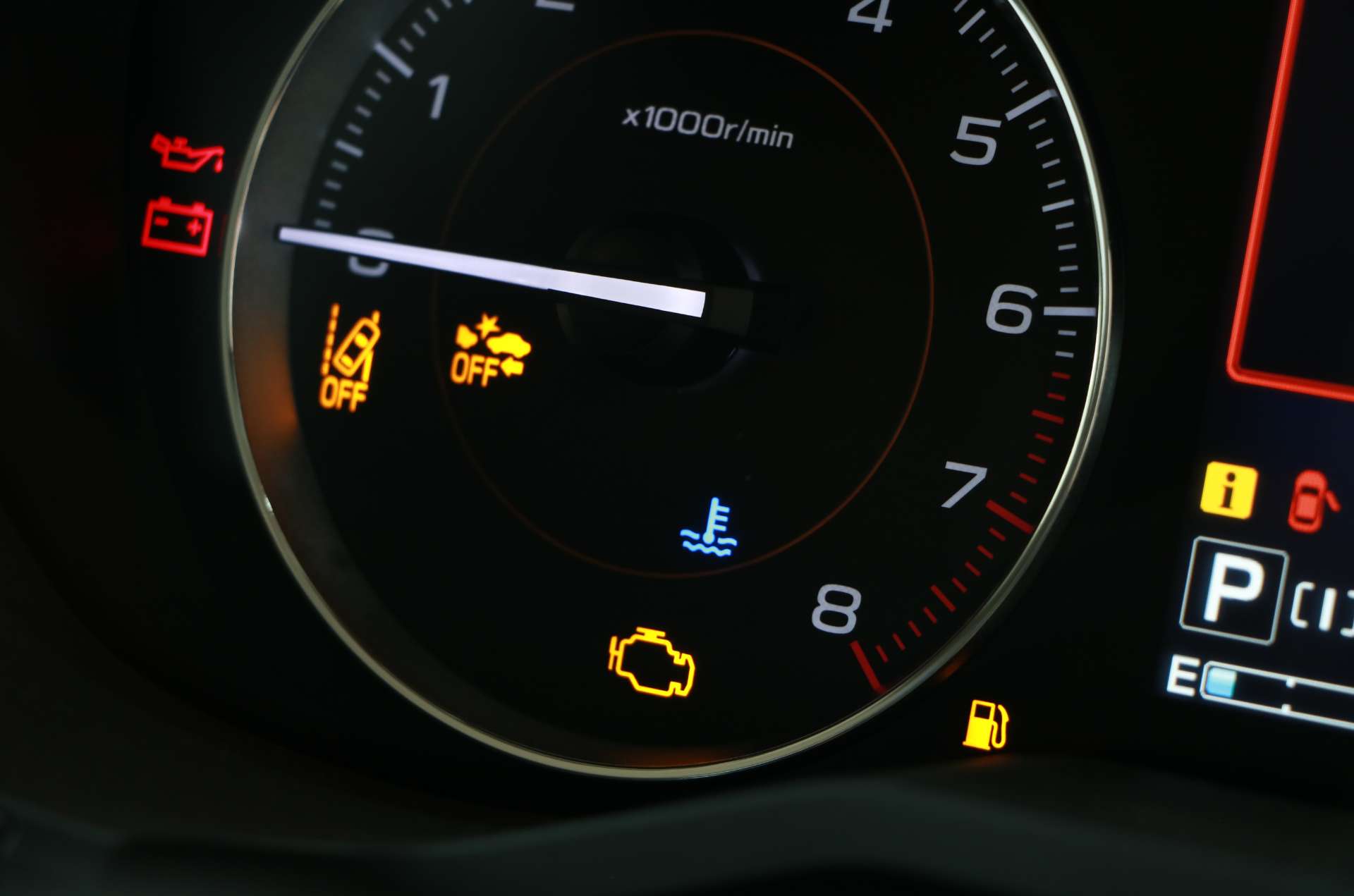
A burning smell from your car has a way of cutting through everything else.
You notice it at the lights. It drifts into the cabin after you park. Sometimes it fades. Sometimes it gets stronger. And almost always, it raises the same question. Is this serious?
A burning smell is not one single problem. It is a signal that something is getting hotter than it should, somewhere it should not. In some cases it is minor. In others it is the early warning sign of a failure that can escalate quickly if ignored.
Here is how mechanics think about it when a car comes in with that complaint.
First, what does it actually smell like?
Not all burning smells mean the same thing. The type of smell often points to the system involved.
| Smell description | Often linked to |
|---|---|
| Sharp, oily smell | Engine oil leaking onto hot parts |
| Sweet or syrup-like | Coolant or antifreeze |
| Acrid, chemical | Overheated brakes or clutch |
| Hot rubber | Belts, hoses or tyres |
| Electrical or plastic | Wiring or electrical components |
People often struggle to describe the smell, but noticing when it happens matters just as much as what it smells like.
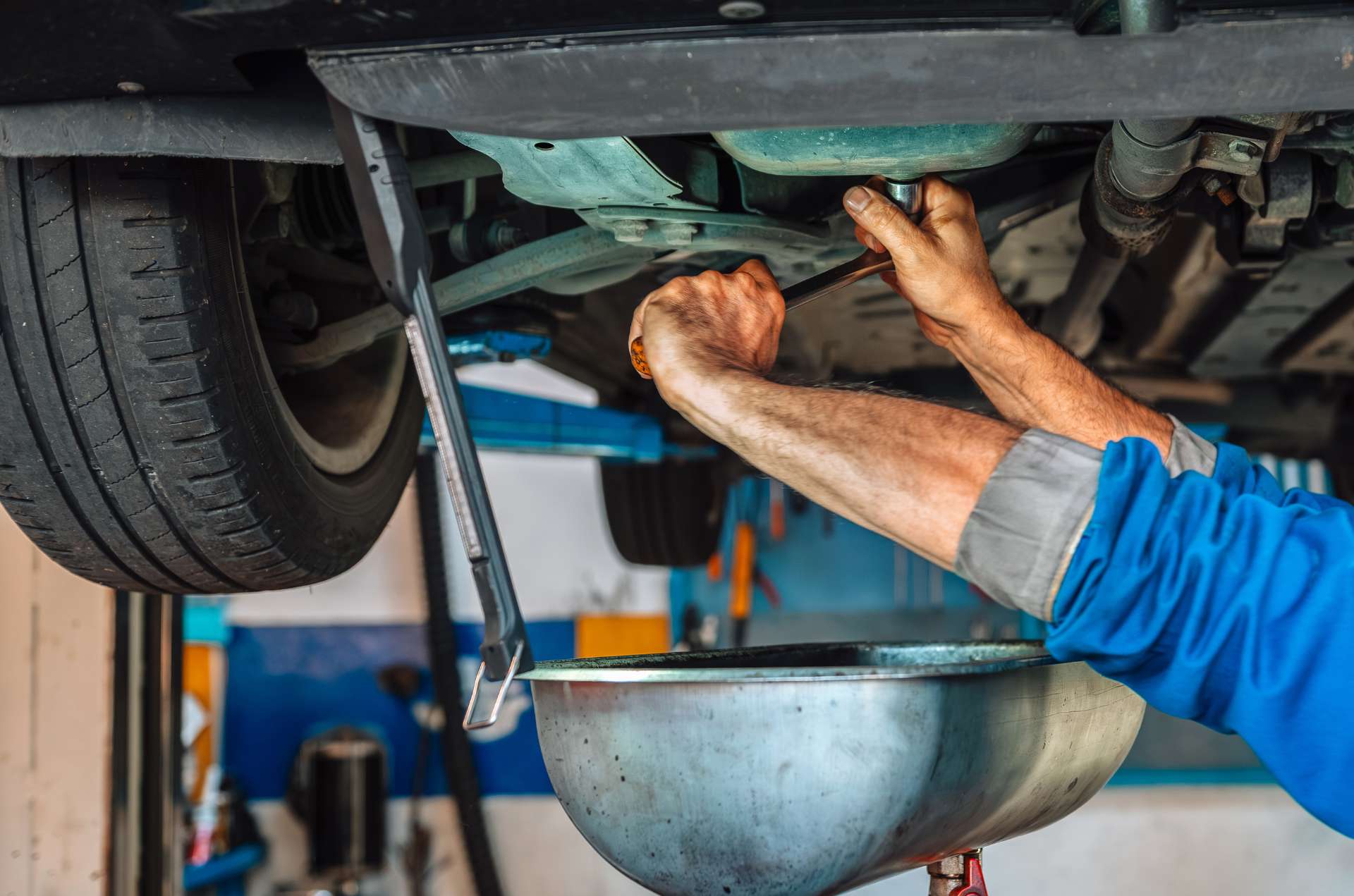
Burning oil smells
This is one of the most common causes. Small oil leaks can drip or seep onto hot exhaust components. When the engine warms up, the oil burns off and the smell travels straight into the cabin, especially when stopped.
It often shows up:
This does not usually mean the engine is about to fail, but oil leaks rarely fix themselves. Left unattended, they can worsen, affect sensors or damage rubber components nearby.
Coolant smells that are easy to miss
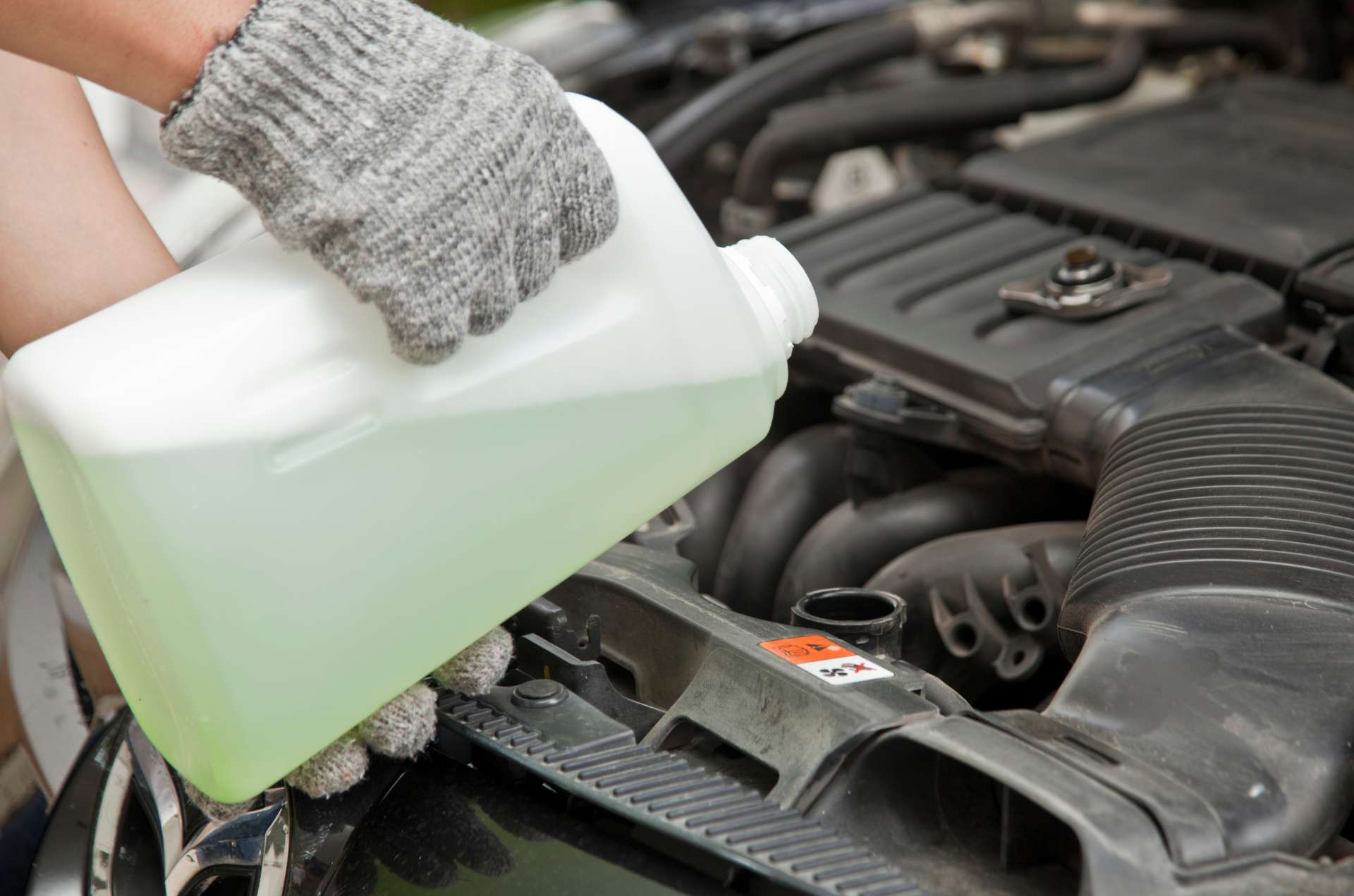
Coolant does not always leave a puddle. A minor leak can evaporate on contact with hot engine parts, producing a sweet but slightly burnt smell.
This is one reason some overheating problems appear without obvious warning. Coolant loss reduces the system’s ability to control temperature, which can lead to much larger repairs if ignored.
If you notice a burning smell alongside:
it should be checked promptly.
When brakes are the source
Overheated brakes produce a sharp, acrid smell that is hard to ignore. It can occur after heavy braking, towing, driving downhill or when a brake caliper is sticking.
This smell often appears:
after stopping the car
near one wheel
with heat radiating from the rim
Occasional brake smell after hard use can be normal. Repeated smells during everyday driving are not. They indicate excess friction and heat, which accelerates wear and can compromise braking performance.
Clutch smells under load
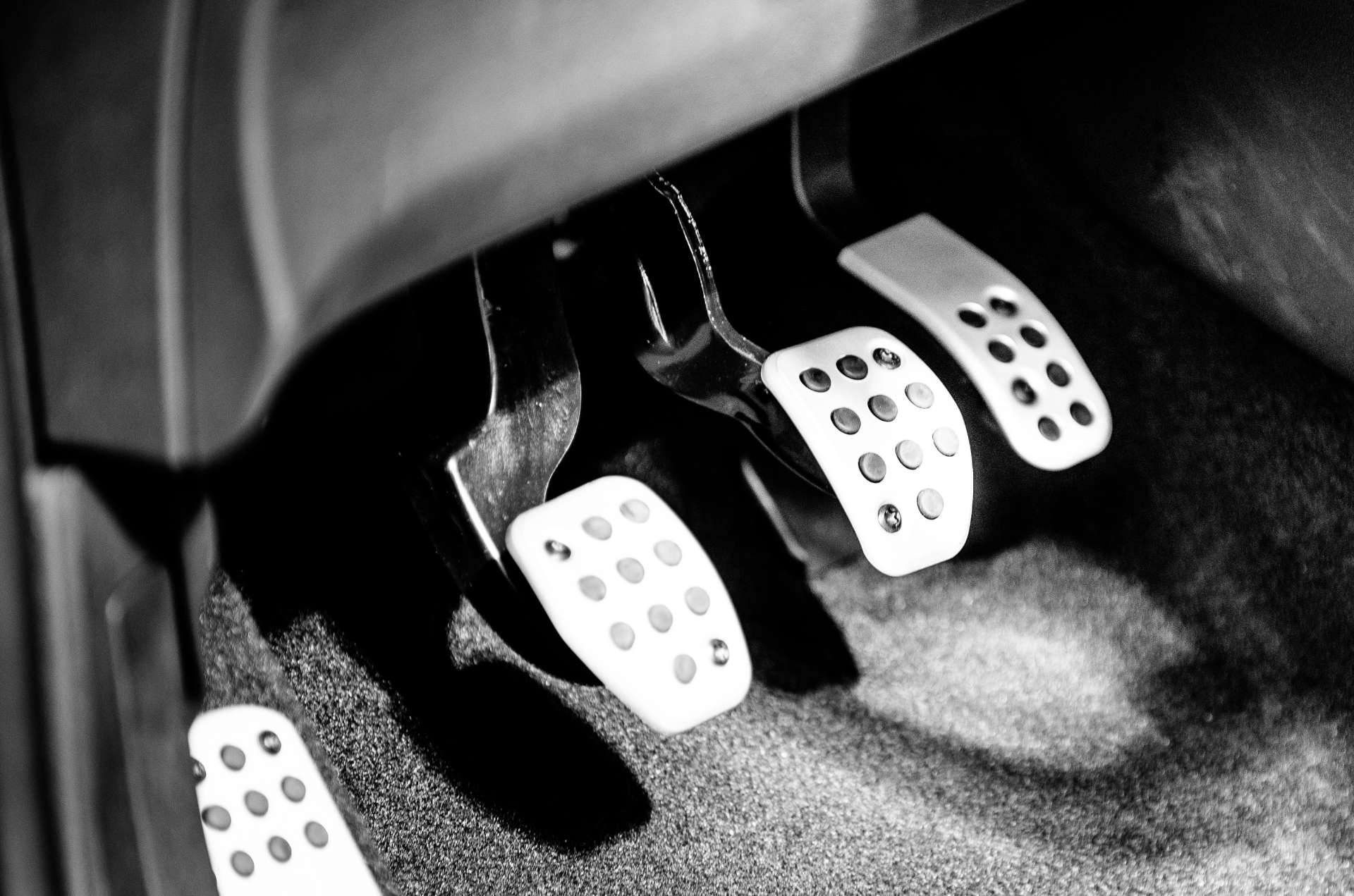
In manual vehicles, a slipping clutch can produce a strong burning smell, especially when:
The smell is often described as burnt chemicals or overheated metal. This is a sign the clutch is struggling to transfer power effectively. Once clutch slip begins, it rarely improves on its own.
Rubber and belt related smells
A hot rubber smell can come from belts slipping, hoses rubbing, or even tyres contacting guards or suspension components. These smells may appear briefly and then disappear, which makes them easy to dismiss.
Belts and hoses operate under tension and heat. When they degrade or lose alignment, friction increases quickly.
Electrical smells are never normal
Electrical burning smells tend to be sharp, plastic-like and persistent. They may be accompanied by warning lights, intermittent faults or accessories behaving unpredictably.
These smells should never be ignored. Electrical issues can escalate quickly and, in rare cases, pose safety risks.
Is it safe to keep driving?
This depends on the smell and the circumstances, but as a general guide:
| Situation | Action |
|---|---|
| Brief smell after heavy braking | Monitor |
| Smell appears every drive | Book inspection |
| Smell with warning lights or overheating | Stop driving |
| Electrical or plastic smell | Stop driving |
The key is repetition. A smell that comes back is the car telling you something has changed.

Why mechanics take burning smells seriously
Burning smells often appear before performance drops or warning lights activate. They are early indicators, not late-stage symptoms. Addressing the cause early is usually simpler, cheaper and far less disruptive than waiting until something fails completely.
A car that smells like it is burning is not being dramatic. It is communicating heat where heat does not belong.
FAQs about a burning smell in the car
Not always, but it should never be ignored. Some smells come from temporary heat, such as heavy braking. Repeated or persistent smells usually indicate a fault that needs inspection.
It can fade temporarily, especially once the engine cools. This does not mean the problem is resolved. If the smell returns, the underlying issue is still present.
Heat rises after shutdown as airflow stops. Oil, coolant or brake components may reach their hottest point after parking, making smells more noticeable.
Warning lights do not always appear immediately. A repeated burning smell without lights is still a reason to book an inspection.
It often appears during acceleration or uphill driving. The engine revs rise but the car does not gain speed at the same rate.
Yes. Small coolant leaks or oil contact with hot parts can produce smells before gauges or lights react.
It depends on the cause. Slipping belts or rubbing hoses can fail suddenly if left unchecked, so repeated rubber smells should be inspected.
Describe when the smell occurs, how long it lasts, whether it appears after driving or idling and if any warning lights appear. This information helps speed up diagnosis.
Yes. Heat related issues often spread. Oil leaks can damage sensors, overheated brakes accelerate wear and electrical faults can affect multiple systems.
Stop driving if the smell is strong, persistent, electrical or accompanied by smoke, warning lights or overheating.