Selling a car privately in Victoria usually stalls for one reason: the roadworthy is done at the wrong time. This article explains how to time it properly, what causes avoidable delays, and when you can sell without one.
Selling a car privately in Victoria usually stalls for one reason: the roadworthy is done at the wrong time. The certificate is too old, the buyer wants to transfer the car immediately, or the car fails on a basic safety item that could have been dealt with earlier. Consumer Affairs Victoria says that if you are selling a registered vehicle, you must provide a Certificate of Roadworthiness that is less than 30 days old.
That 30-day window is what catches sellers out. The goal is not to get the roadworthy as early as possible. The goal is to get it at the point where the sale is likely to happen before it expires.
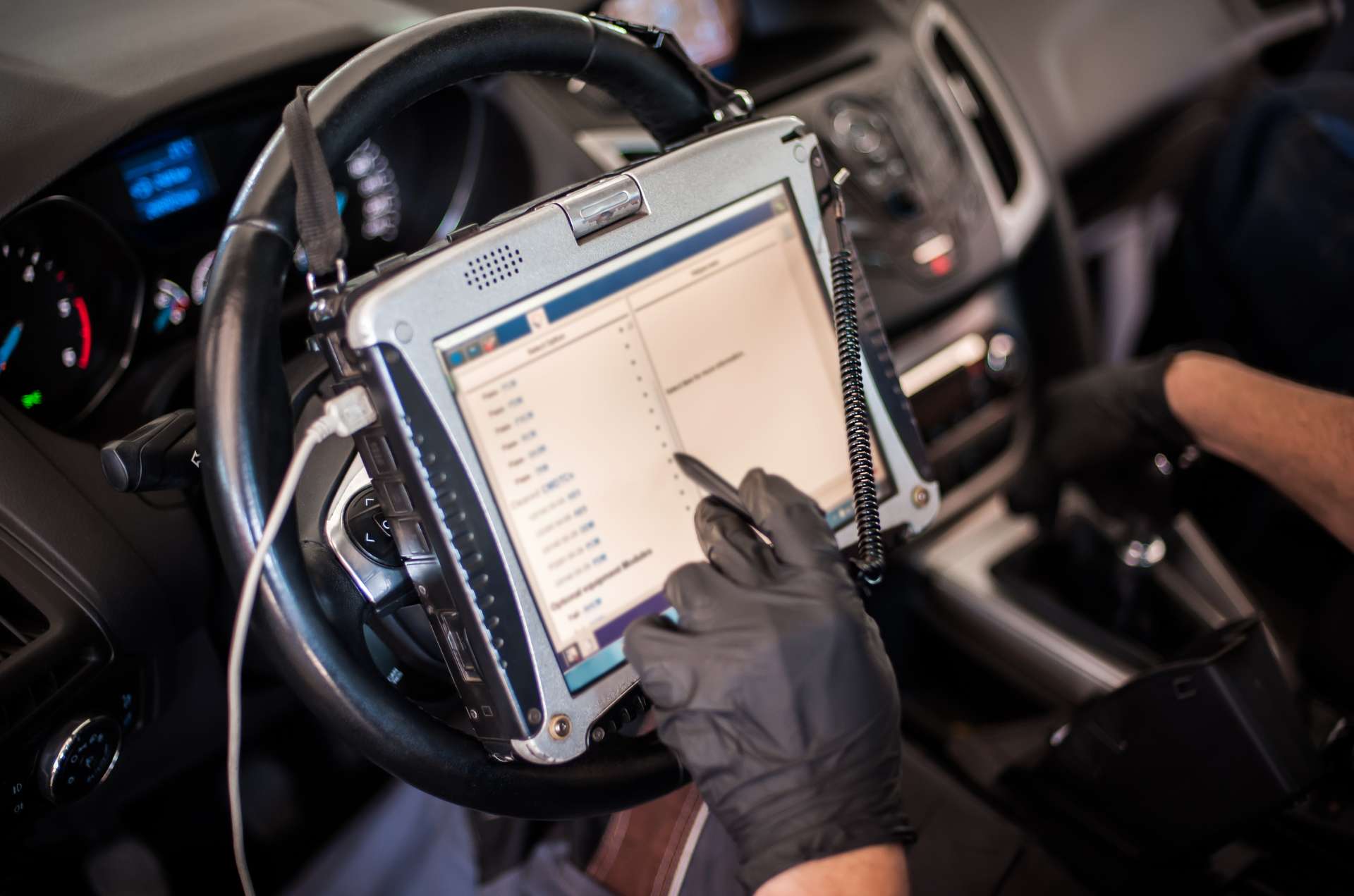
A roadworthy also has limits. Transport Victoria says it checks whether the vehicle’s key safety items are safe enough for road use. It is not a full mechanical, reliability or cosmetic inspection.
What the roadworthy is for
A Victorian roadworthy is about minimum safety for registration transfer. It covers items such as tyres, steering, suspension, brakes, lights, wipers, windows, vehicle structure and other safety-related components. It does not certify that the car is fault-free or that every future problem has been ruled out.
That matters when you are selling, because buyers often treat “has roadworthy” as “has no problems”. The certificate does not mean that. It means the car met the roadworthiness requirements at the time of inspection.
The timing sequence that avoids most delays
The sequence that usually works
The sequence that causes problems
The core idea is simple: prepare early, book the roadworthy late enough that it won’t expire.
What to check before you book the inspection
Most delays are caused by ordinary safety issues, not obscure faults. Before you book, pay attention to the items that roadworthy testers actually inspect:
That means a seller should look closely at worn tyres, blown globes, cracked or visibility-affected glass, poor wiper performance, obvious steering looseness, brake feel, and any safety-related warning signs.
For the practical prep checklist, link readers to the existing companion article:
How to Prepare Your Car for a Roadworthy Inspection in Victoria
If the car fails
A failed inspection does not end the sale. It changes the timeline.
VicRoads says that if the vehicle does not pass the first inspection, you need to fix the issues before it can be re-inspected. If it is re-inspected by the same licensed vehicle tester within 14 days, you do not need to pay the full fee again.
What matters for the seller is clarity. You should understand:
If the explanation is vague, ask for the specific failed component and what was observed.
Common selling scenarios that create delays
| Scenario | What goes wrong | What it means | Best next step |
|---|---|---|---|
| Buyer wants the car now | No current roadworthy ready | Sale loses momentum | Book the inspection immediately and set expectations clearly |
| Roadworthy done too early | Certificate moves outside 30 days | May need another certificate | Time the inspection closer to the likely sale date |
| Car fails on small items | Repairs add days | Buyer confidence drops | Fix the listed items quickly and complete reinspection |
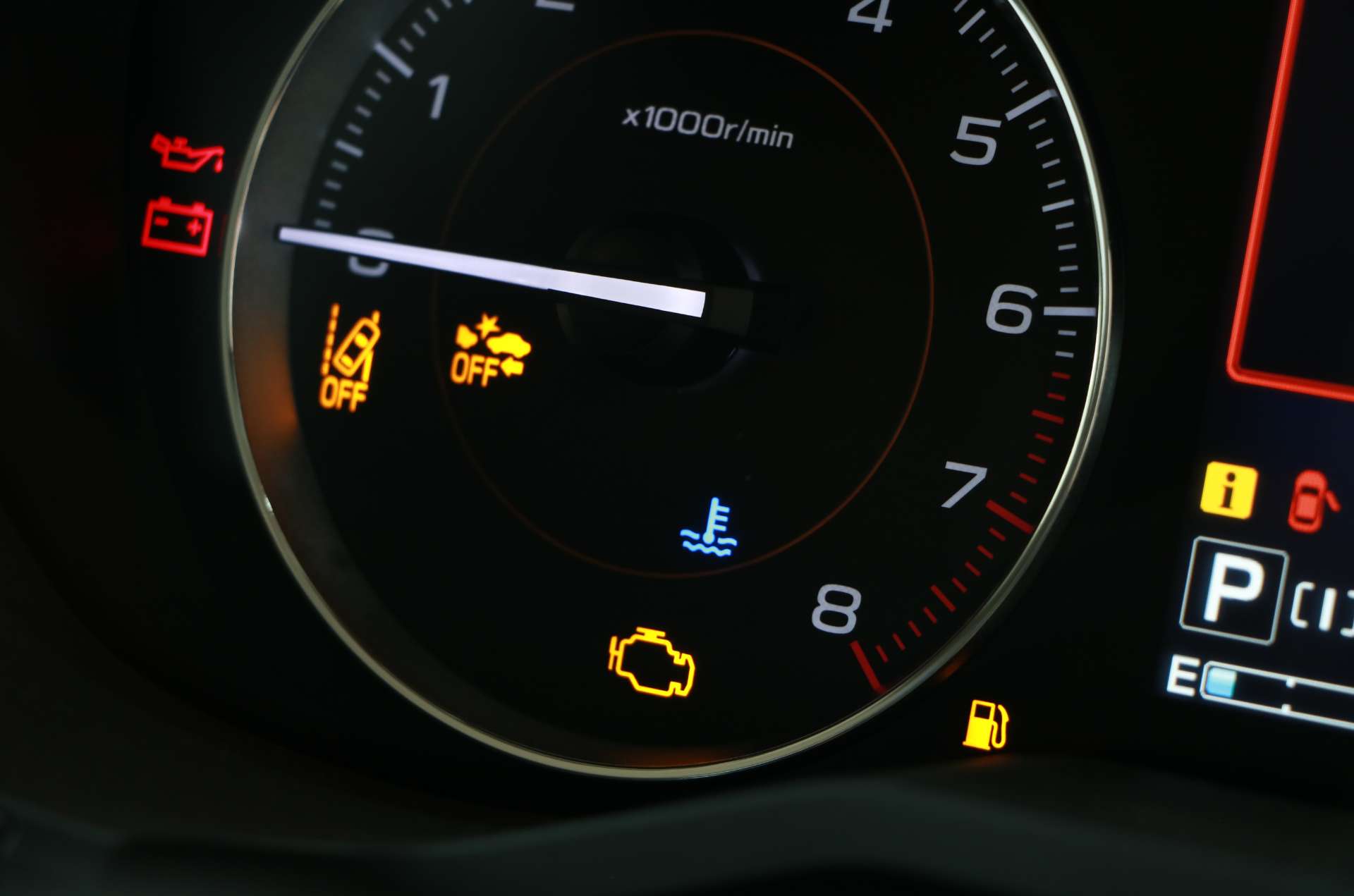
| Warning light or obvious safety issue appears after listing | Buyer expects hidden problems | Negotiation slows or collapses | Diagnose it properly before relying on the roadworthy |
| Seller avoids roadworthy by selling registered | Transfer cannot proceed normally | Sale becomes harder | Decide whether to sell registered with roadworthy, or unregistered |
| Diagonal wear patch | Angled wear band running across tread | Loose suspension arm or bush movement | Pry-bar check for control arm bush movement under load. Alignment readings unstable |
| Centre wear | Tread worn down centre strip | Over-inflation | Tyre pressure history. Even wear across both tyres. No alignment fault present |
| Both edges worn, centre intact | Wear on both shoulders with tread remaining in centre | Under-inflation | Pressure check and service history. No abnormal alignment readings |
Can you sell a car in Victoria without a Roadworthy?
Yes, but not as a normal registered private sale.
- If you are selling a registered car in Victoria, you generally need to provide a roadworthy certificate that is less than 30 days old.
- If you want to sell the car without a roadworthy, the practical route is usually to sell it unregistered instead. That changes the deal. The buyer cannot simply transfer the registration and drive away. They would need to register it themselves before normal road use, or obtain the appropriate permit for limited movement.
There are also specific roadworthy exemptions for some vehicle categories, such as certain brand new vehicles, trailers, motorcycles, quad bikes and specially constructed vehicles. For most ordinary used cars, a roadworthy is required for a registered sale.
In plain English:
- Registered sale usually means roadworthy required.
- No roadworthy usually means selling it unregistered, which narrows the buyer pool and adds steps for the buyer.

Should you get the Roadworthy before listing?
This requires a physical inspection, not a visual guess from the driver’s seat.
Sometimes yes, sometimes no.
• the car is likely to sell quickly
• you want maximum buyer confidence
• you want fewer last-minute negotiations around safety items
• you want maximum buyer confidence
• you want fewer last-minute negotiations around safety items
Waiting can make more sense if:
• the sale may take time
• you are still preparing the car
• the buyer may be delayed by finance, their own inspection, or travel
The practical decision is this: prepare the car early, but start the 30-day roadworthy clock only when a sale looks realistic. That is the easiest way to avoid doing the job twice.
• you are still preparing the car
• the buyer may be delayed by finance, their own inspection, or travel
The practical decision is this: prepare the car early, but start the 30-day roadworthy clock only when a sale looks realistic. That is the easiest way to avoid doing the job twice.
What to keep ready for the buyer
• the roadworthy certificate with the issue date visible
• receipts for any repairs done to pass
• any relevant inspection notes
• transfer details and sale records
• receipts for any repairs done to pass
• any relevant inspection notes
• transfer details and sale records
Internal links that fit this article
• Roadworthy inspections for cars
• How to Prepare Your Car for a Roadworthy Inspection in Victoria
• Mechanical repairs
• How to Prepare Your Car for a Roadworthy Inspection in Victoria
• Mechanical repairs
How to avoid Roadworthy Certificate Delays when selling a car
Most roadworthy delays are self-inflicted timing problems. The certificate is done too soon, the prep is left too late, or the seller relies on the buyer being patient after a fail.
The cleaner approach is to prepare first, book when buyer interest is real, deal with fail items fast, and complete the transfer while the certificate is still current. That protects the sale and cuts out avoidable rework.
This guide is written by a repair shop. Use it to compare any provider and ask to see evidence for any recommendation.
FAQs
If you are selling a registered vehicle privately in Victoria, you generally need to provide a roadworthy certificate that is less than 30 days old.
For a registered vehicle sale, the certificate must be less than 30 days old. VicRoads also states that once issued, a roadworthy remains current for 30 days.
Yes, but not as a normal registered private sale. If you want to sell without a roadworthy, the practical option is usually to sell the car unregistered. That means the buyer cannot simply transfer the rego and drive away. For most ordinary used registered cars, a roadworthy is required.
Use this checklist-style guide: How to Prepare Your Car for a Roadworthy Inspection in Victoria.
Fix the listed safety items, then arrange reinspection. If the same licensed vehicle tester reinspects the vehicle within 14 days, you do not need to pay the full fee again.
No. It is a safety inspection for roadworthiness and registration purposes. It does not certify the vehicle’s overall mechanical quality, reliability or cosmetic condition.
Leaving the inspection too late, letting the certificate age past 30 days, or failing on basic safety items that could have been checked earlier.
Keep the roadworthy certificate, repair receipts relevant to passing, and the transfer details needed for the sale.