A warning light appears on the dashboard and everything else fades into the background.
The car might feel normal. It might drive exactly the same as yesterday. Still, the light is there, glowing quietly while you decide whether to keep driving or pull over.
Modern cars are designed to warn drivers early, but those warnings are not always straightforward. Some lights demand immediate attention. Others are signals that something has changed and needs checking before it becomes serious. Understanding the difference helps drivers make calm decisions rather than guessing.
Why warning lights exist
Dashboard warning lights are not there to panic drivers. They are part of a monitoring system that tracks temperature, pressure, electrical signals and mechanical behaviour. When something moves outside its expected range, the car alerts the driver.
This does not always mean something has failed. Often it means the system has noticed a trend that could lead to a failure if ignored.
it should be checked promptly.

Why a car can feel fine even when a light is on
Many warning lights appear before a driver notices a change in performance. This is deliberate. The car is detecting early signs that are not yet obvious from the driver’s seat.
Examples include:
By the time a car feels different, the problem has often progressed further.
Understanding the colour of warning lights
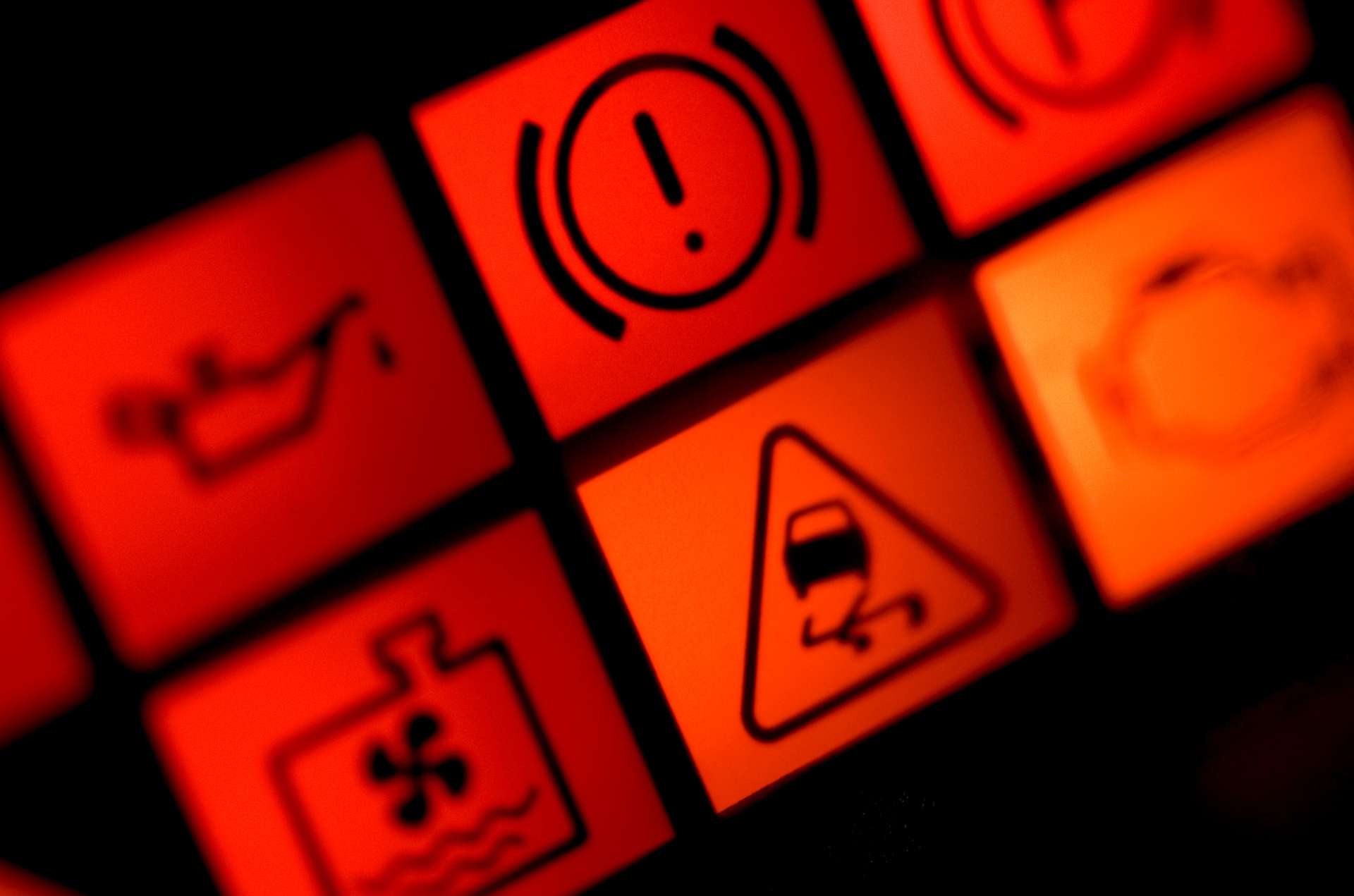
The colour of a warning light gives an important clue about urgency.
| Light colour | What it usually means | What to do |
|---|---|---|
| Red | A critical system issue | Stop driving as soon as it is safe |
| Amber or yellow | A system fault or warning | Book an inspection promptly |
| Flashing | Active risk of damage | Stop driving and seek advice |
Ignoring a red or flashing light can cause rapid damage. Amber lights allow more flexibility but should not be dismissed.
Why warning lights sometimes come and go
One of the most confusing situations for drivers is when a warning light appears, then disappears.
This can happen when:
a fault only occurs under certain conditions
temperatures rise during long drives
a sensor detects a brief irregular reading
electrical connections fluctuate
load or speed triggers the issue
The light turning off does not mean the problem has resolved. It often means the condition has temporarily eased.
Common warning lights that cause confusion
Some lights are more misunderstood than others.
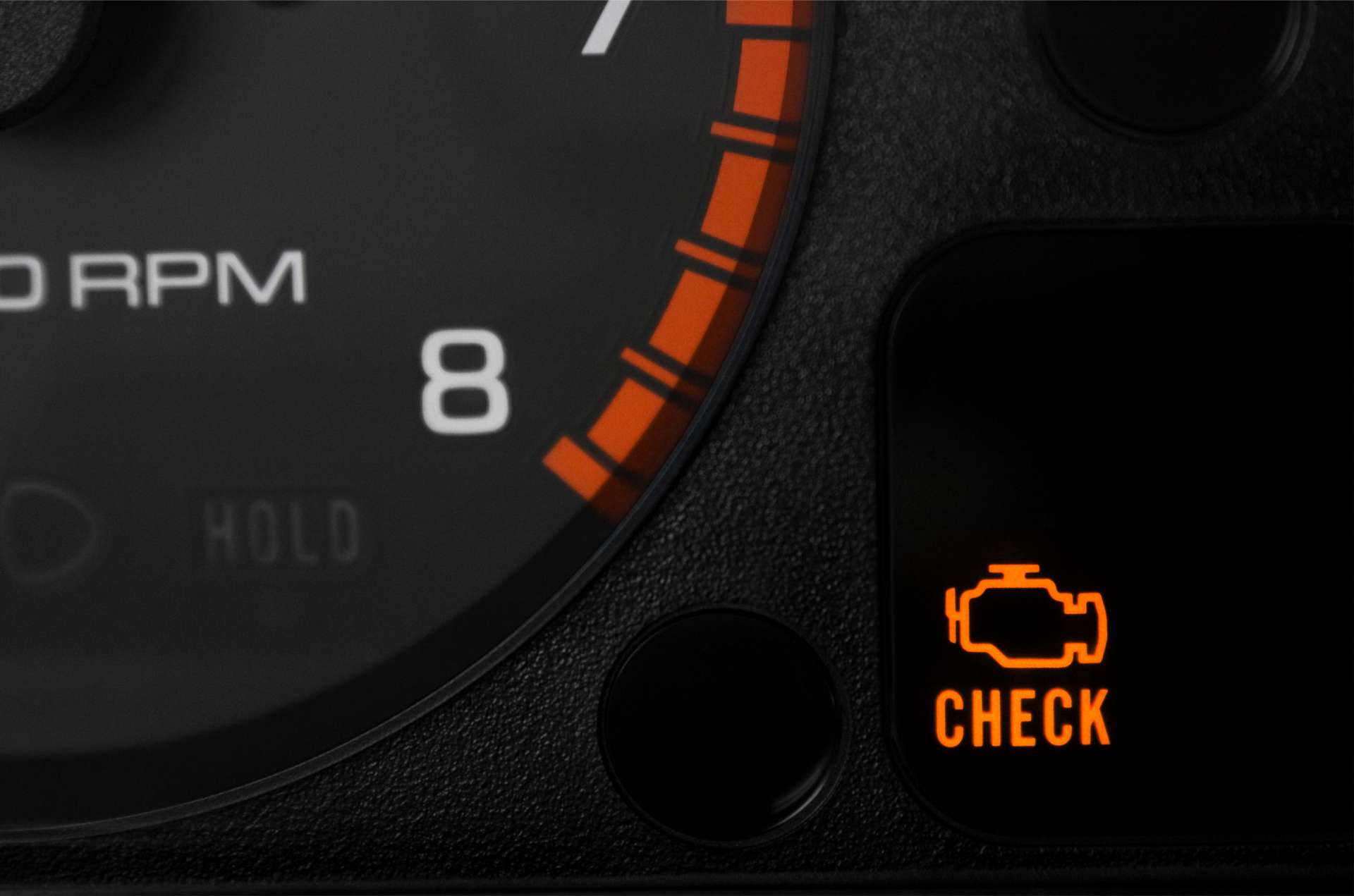
Check engine light
This can relate to emissions, sensors, ignition, fuel delivery or airflow. The car may still drive normally, but ongoing driving can worsen the issue.
Temperature warning light
This does not always mean the engine is already overheating. It can indicate rising temperatures or cooling system stress.
Oil pressure warning
This is serious. Even brief illumination can point to a loss of lubrication.
Battery or charging warning
This can indicate charging system faults that may leave the car unable to restart.
Traction or stability control warning
This may appear alongside engine or brake faults, as these systems rely on shared data.
Why warning lights do not always match the real problem
Warning lights point to systems, not always the exact failed part. A single issue can trigger multiple alerts.
For example:
This is why guessing based on the light alone can be misleading.
When it is unsafe to keep driving
Some situations require immediate action.
Stop driving and seek advice if:
Continuing to drive in these conditions can turn a minor fault into major damage.
When it may be safe to drive short distances
In some cases, short trips at low speed may be acceptable while arranging an inspection.
This may apply when:
Even then, the issue should be checked promptly.
Why early diagnosis matters
Warning lights are designed to give drivers time to act. Acting early often limits damage and repair costs.
Delays can lead to:
What starts as a sensor fault can become a mechanical problem if ignored.
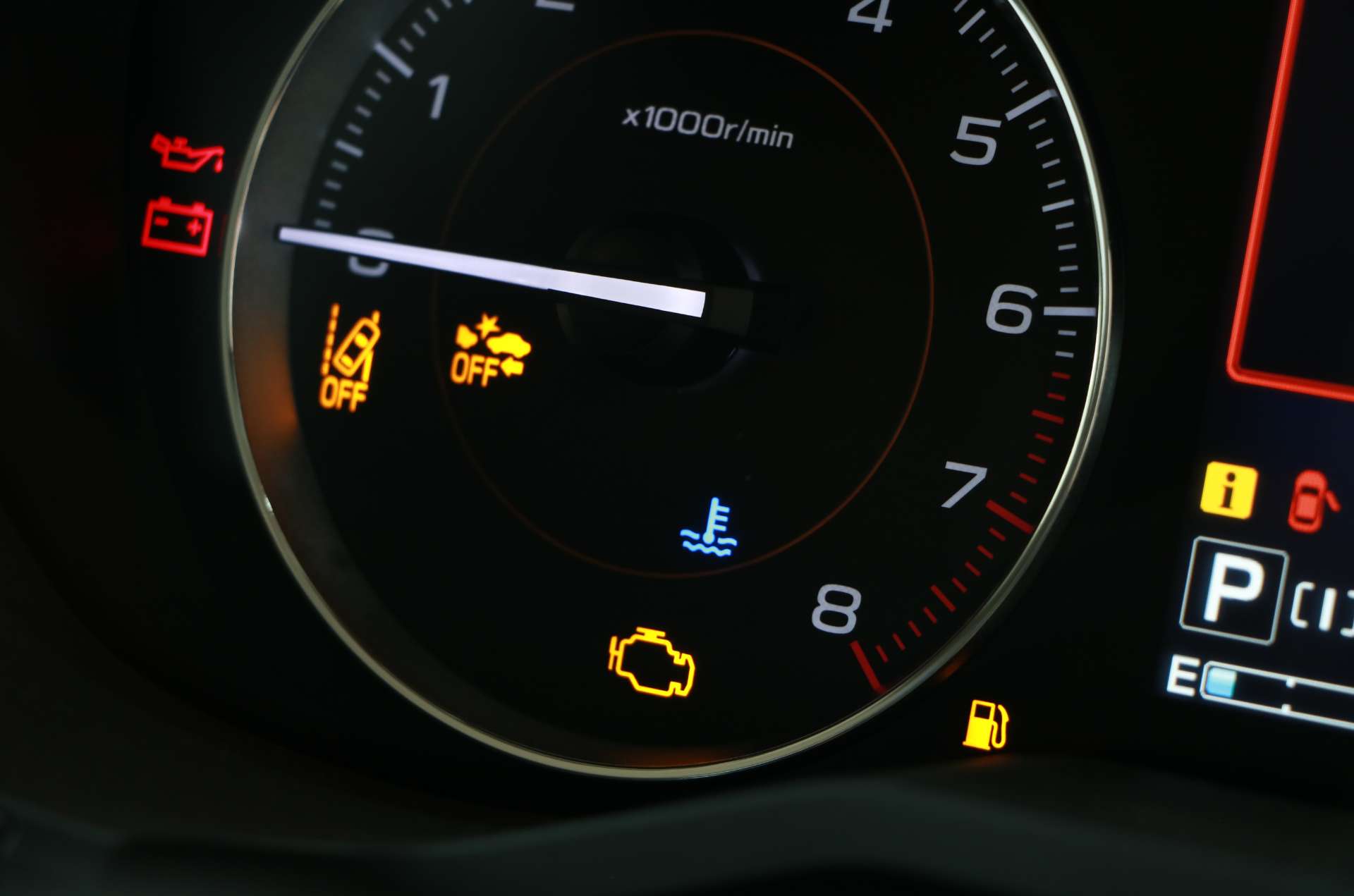
How mechanics interpret warning lights
A proper diagnosis involves more than reading a code. Mechanics look at how and when the light appeared and what else was happening at the time.
This includes:
The warning light is the starting point, not the answer.
A warning light is information, not a verdict
Dashboard lights are one of the clearest ways a car communicates with its driver. They are designed to prompt attention, not panic. Understanding what they mean and responding early helps keep repairs manageable and vehicles reliable. When in doubt, checking sooner rather than later is almost always the safer choice.
Frequently Asked Questions about Warning Lights
It depends on the colour and behaviour of the light. Red or flashing lights mean the car should not be driven. Amber lights usually allow short driving but should be checked as soon as possible.
Some faults only occur under certain conditions such as heat, speed or load. When conditions change, the light may turn off even though the issue is still present.
A warning light usually means something has moved outside its normal range. That does not always mean a part has failed, but it does mean the system has detected a problem that should be checked.
Not always. Some causes are minor, such as sensor irregularities. However, ignoring it can allow a small issue to turn into a larger repair.
Multiple warning lights often indicate a shared fault or system wide issue. Driving should be avoided until the cause is diagnosed.
Yes. Heat places extra stress on engines, transmissions and electrical systems. Faults that are hidden in cooler weather often appear during hot conditions.
A car can feel normal even when a warning light is on. That does not mean it is safe to ignore. Early diagnosis often prevents further damage.
A scan provides fault codes, but it does not always identify the failed part. Mechanics interpret codes alongside live data and physical inspection.
Tell them which light appeared, whether it was steady or flashing, when it happened and what the car was doing at the time. This helps speed up diagnosis.
Some lights clear temporarily, but the underlying issue usually remains. If a light has appeared even once, it is worth having the car checked.