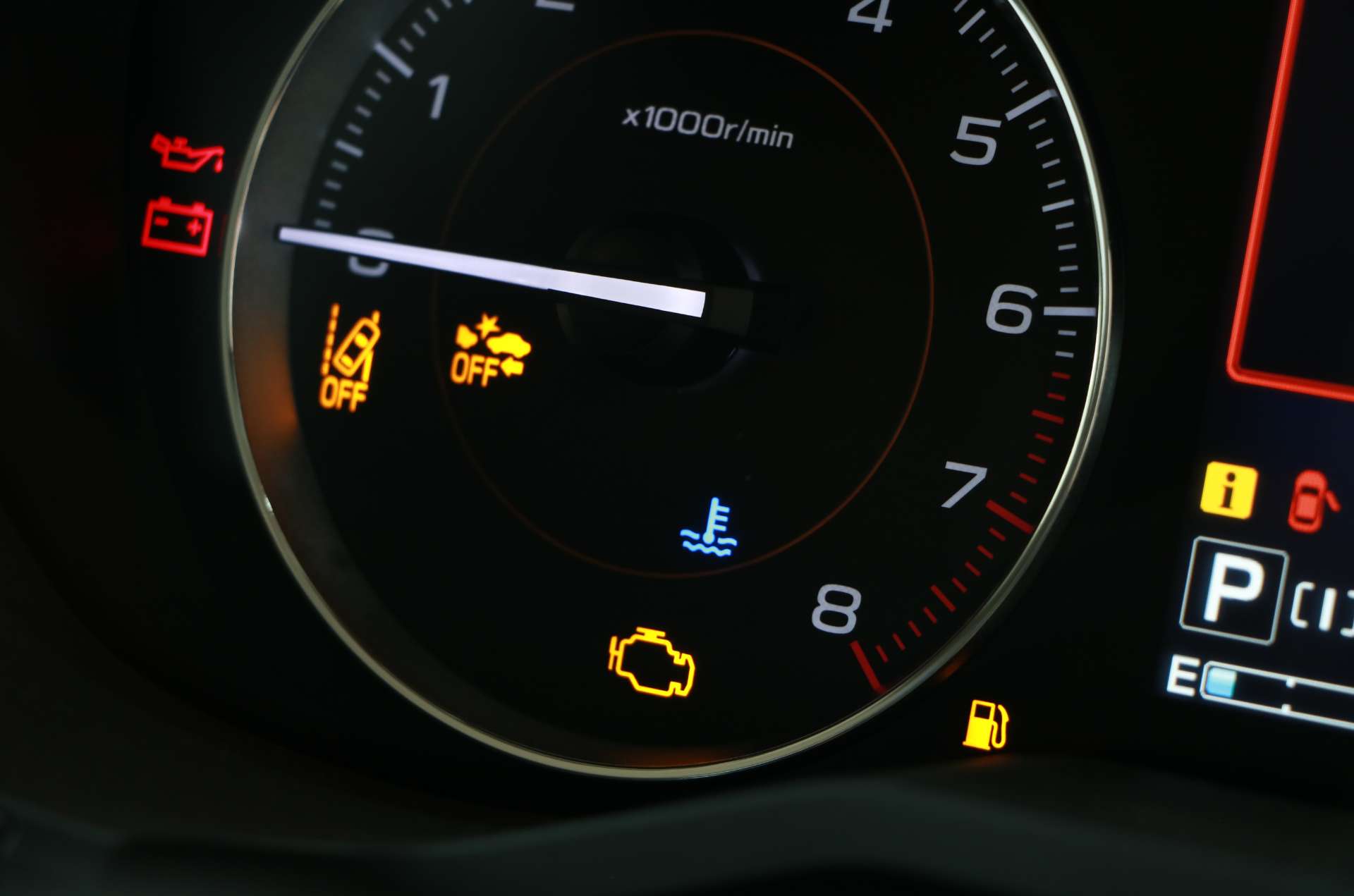
Is your car overheating?
When the temperature gauge climbs or steam appears around the bonnet, the rise is usually the end result of a problem that has been building quietly. Engines rely on a steady flow of coolant to move heat away. When that flow slows down or stops, the engine reaches temperatures it cannot manage on its own.
Modern cooling systems are simple in theory. They work by circulating coolant through the engine, pushing it through a radiator and using airflow to release heat. When one part struggles, heat builds quickly.
How the cooling system keeps your engine safe
A cooling system relies on several parts working together. Each part matters.
| Part | Role | What can go wrong |
|---|---|---|
| Radiator | Removes heat from coolant | Fins blocked or internal scale |
| Water pump | Circulates coolant | Worn bearings or reduced flow |
| Thermostat | Opens and closes to control flow | Stuck shut or partly open |
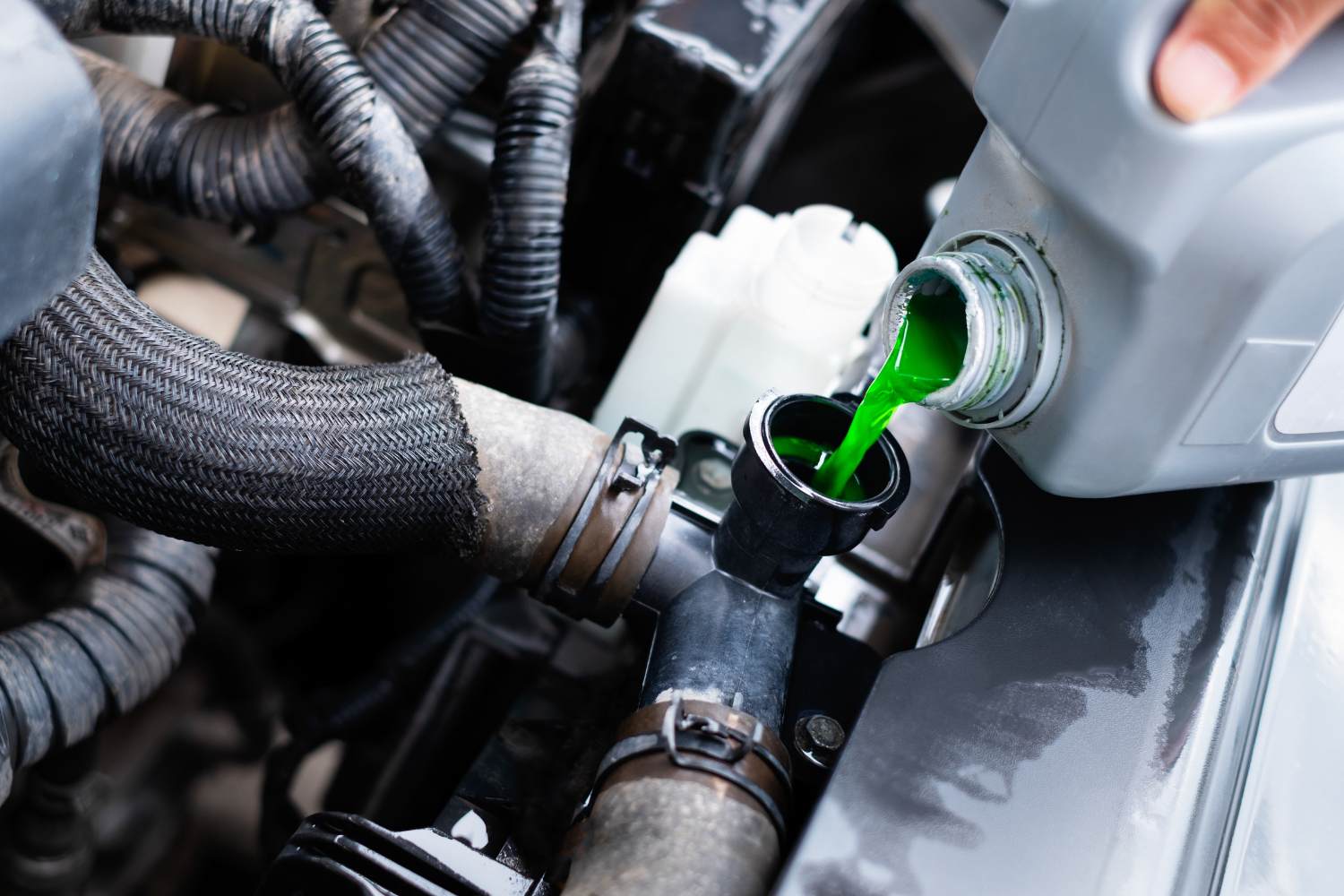
| Coolant | Transfers heat | Low level or old fluid |
| Cooling fans | Pull air through radiator | Fan motor or relay failure |
| Hoses | Carry coolant | Cracks, soft spots or leaks |
What are the early signs of overheating?
Overheating rarely appears without warning. Many drivers notice small changes before the temperature spikes.
These signs often point to slow leaks or coolant that is not moving freely.
Why do cars overheat in Melbourne traffic?
Slow traffic exposes weaknesses in the cooling system. At low speed, there is little natural airflow through the radiator. The car relies on electric fans to pull air through the fins.
Traffic queues, warm days and slow climbs can push the system past its limits if the fan, coolant level or radiator efficiency is reduced. This is common across many makes and models.
What causes most overheating problems?
These are the issues that appear most often in Victorian workshops.
| Cause | What drivers notice | Why it matters |
|---|---|---|
| Low coolant | Warning light or weak heater | Not enough fluid to carry heat |
| Stuck thermostat | Quick temperature rise | Coolant trapped in engine |
| Blocked radiator | Overheats on slopes | Poor heat transfer |
| Failed fan | Overheats in traffic | No airflow at low speed |
| Weak water pump | Temperature climbs under load | Slow circulation |
| Hose failure | Steam and sudden loss of coolant | System empties fast |
Why is driving while overheating unsafe?
Engines are designed to stay within a narrow temperature range. Once the temperature climbs beyond this range, metal parts expand unevenly. This can lead to:
Most serious damage happens when the car is driven while overheating.

What should drivers do when a car overheats?
At ZPro Automotive in Rowville, the team will approach the rattling complaint with a methodical diagnostics process:
pull over as soon as it is safe
turn the engine off
wait for the temperature to fall
avoid opening the radiator cap while hot
restart once only to reassess
call for help if the temperature rises again
There is no safe distance to continue driving an overheating car.
How do workshops diagnose overheating?
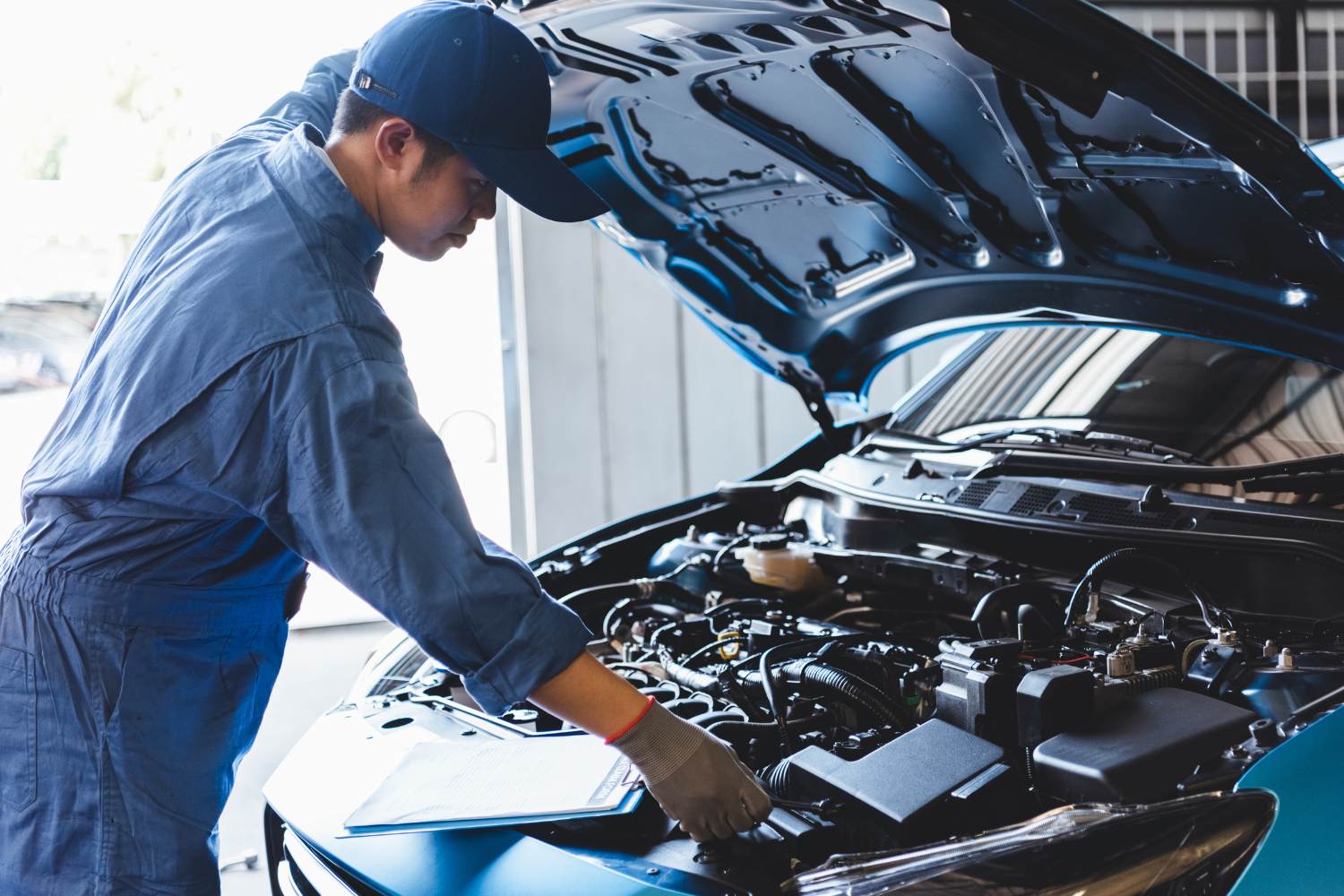
A workshop checks the cooling system from end to end so the cause is clear.
This approach separates small problems from issues that can spread across the engine.
Why quick attention protects the engine
Heat breaks down oil and places stress on seals, gaskets and moving parts. A car may drive normally after cooling down, but hidden issues can develop over time. Fixing the cause early keeps the engine within its safe temperature range.
A stable temperature is the strongest sign of engine health
Engines depend on cooling systems that respond quickly and stay clear of blockages. When the temperature begins to rise, early action protects the engine from damage that can become costly in a short time.