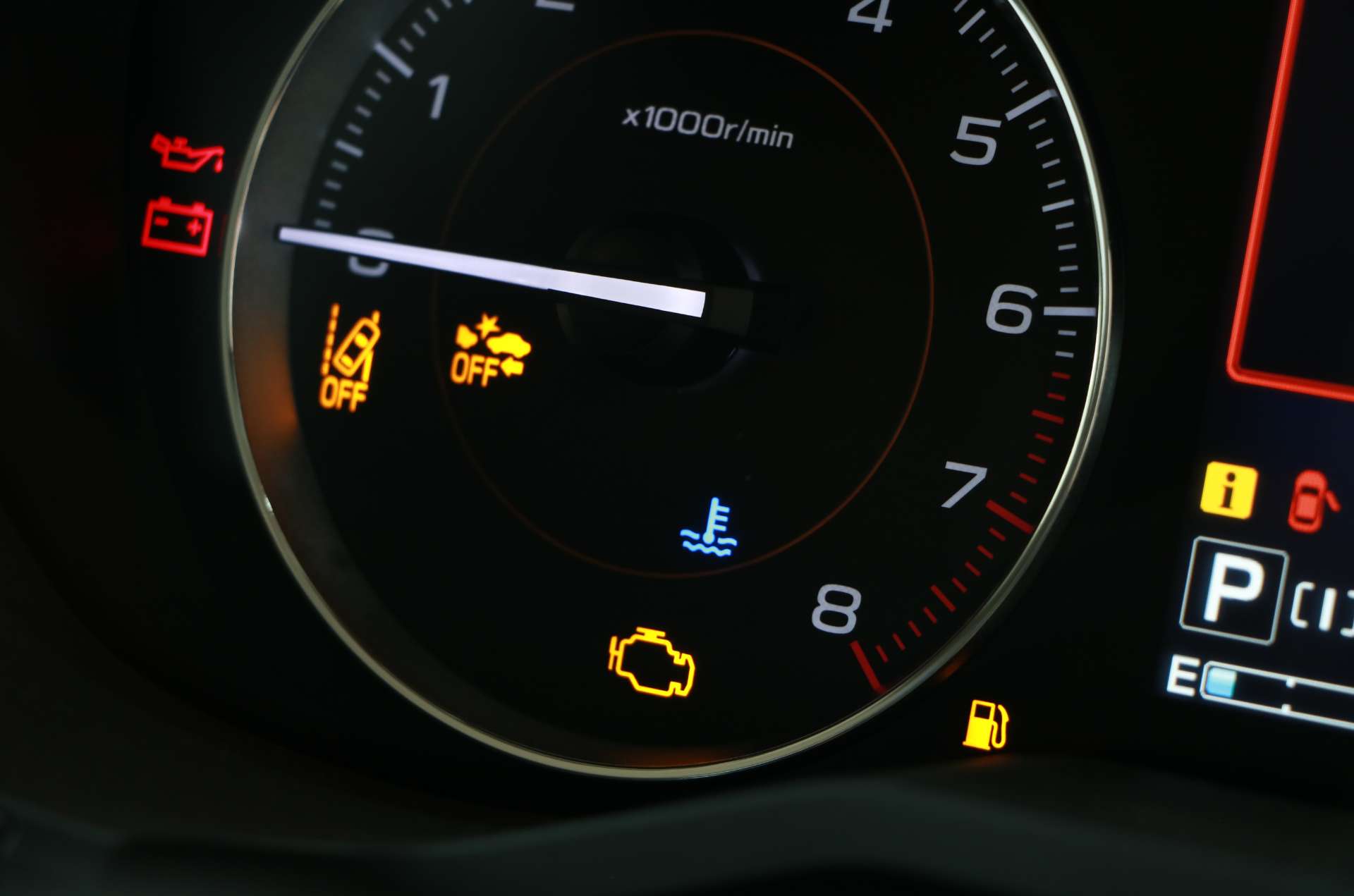

You press the accelerator, but the car does not respond the way it used to.
It might feel fine around town, then struggle climbing a hill, merging onto a freeway or towing a load. The engine sounds busier, yet the speed does not come easily. Power loss under load is one of the most unsettling changes a driver can experience because it often appears suddenly and feels unpredictable.
Under load means the engine is being asked to work harder than usual. That could be accelerating uphill, overtaking, carrying passengers, towing, or driving at highway speed for long periods. When a car loses power in these moments, it is usually responding to stress somewhere in the system.

Why power loss often appears under load first
Modern engines are designed to protect themselves. When demand increases, the engine management system monitors temperature, airflow, fuel delivery and exhaust flow. If something falls outside its expected range, the car may reduce power to prevent damage.
This is why many vehicles feel normal at low speeds but struggle when pushed. The fault is present all the time, but it only becomes obvious when the engine is under pressure.
Common driving situations where power loss shows up include:
Airflow restrictions are a common cause
Engines need large volumes of air when working hard. Any restriction limits how much power the engine can produce.
Typical airflow related issues include:
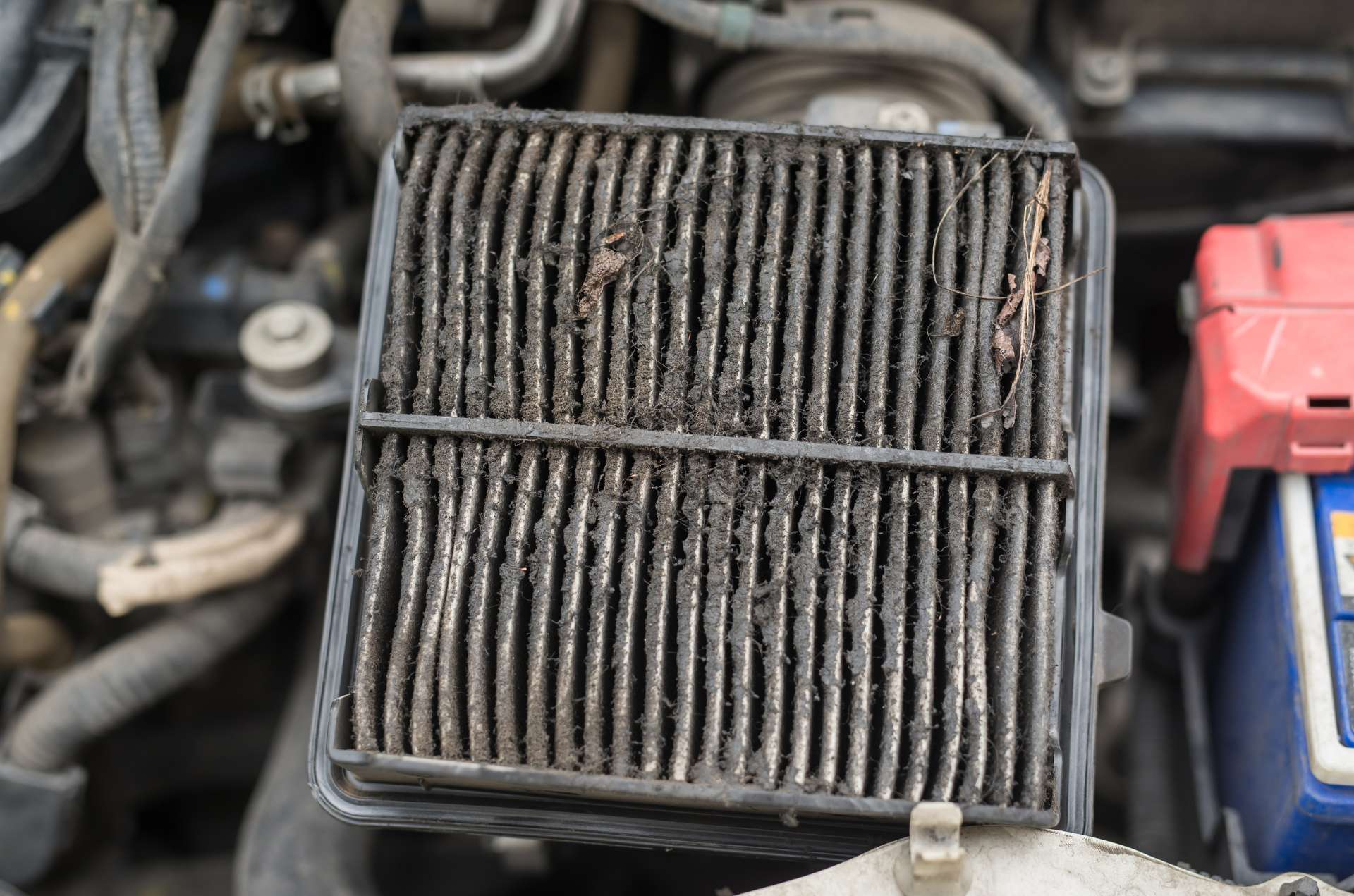
When airflow is restricted, the engine may feel flat or hesitant under acceleration. In some cases, the car will limit power to avoid running lean or overheating.
Fuel delivery problems reveal themselves under demand
Fuel systems are under far more stress when the engine is loaded. Pumps must maintain pressure, injectors must deliver precise amounts of fuel and sensors must keep everything balanced.
Fuel related issues often cause:
hesitation when accelerating
surging at higher speeds
power fading on hills
difficulty maintaining speed
rough running under load
A fuel pump that is beginning to fail may cope at low demand but struggle once the engine asks for more.
Heat plays a bigger role than many drivers realise
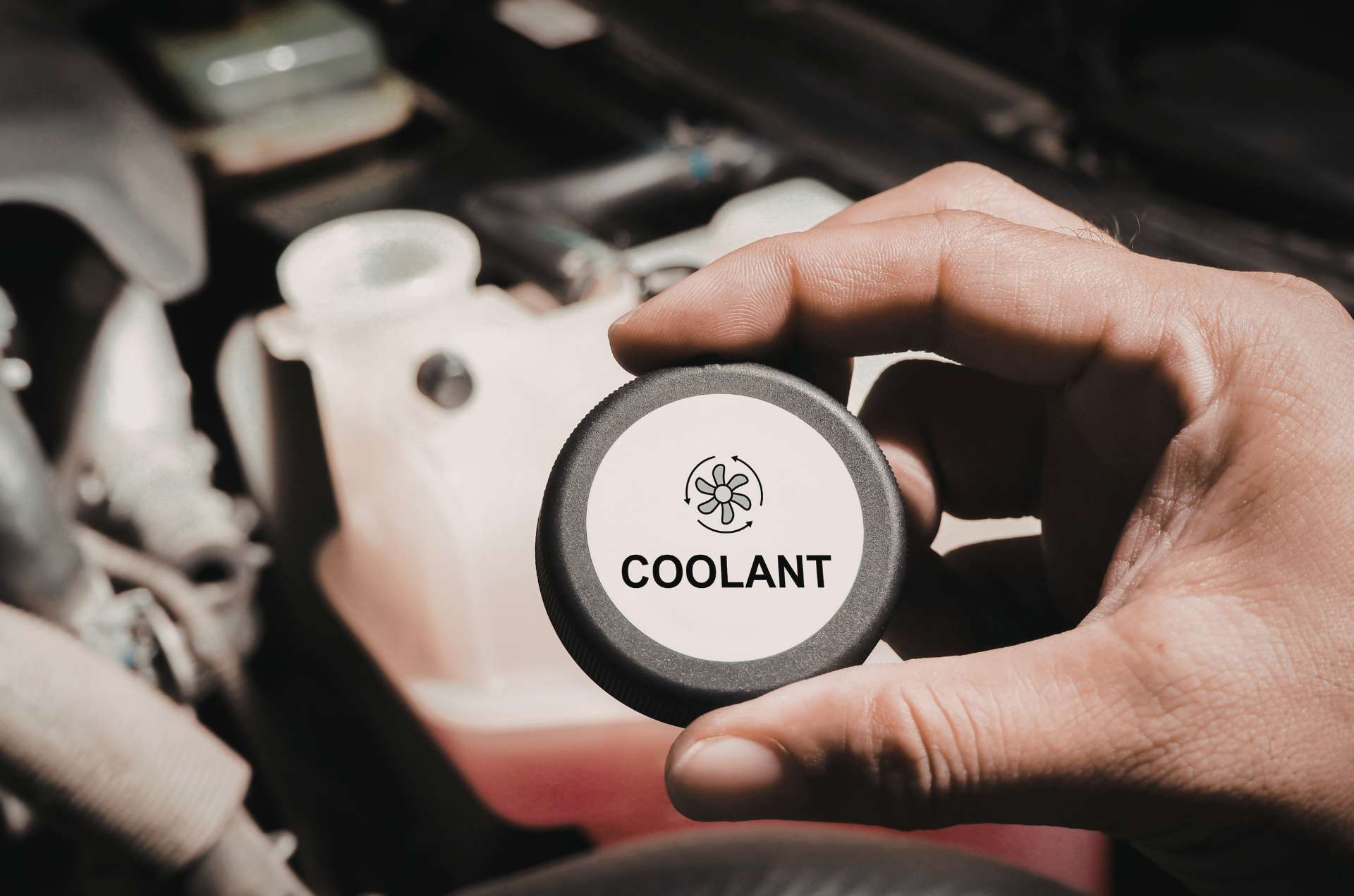
As load increases, engine temperatures rise. Cooling systems, oil flow and exhaust temperatures all come under pressure.
If temperatures climb too high, the engine may reduce power to protect itself. This can feel like sudden weakness, especially on hot days or during long drives.
Heat related contributors include:
This is why power loss and overheating symptoms sometimes appear together.
Exhaust restrictions quietly rob performance
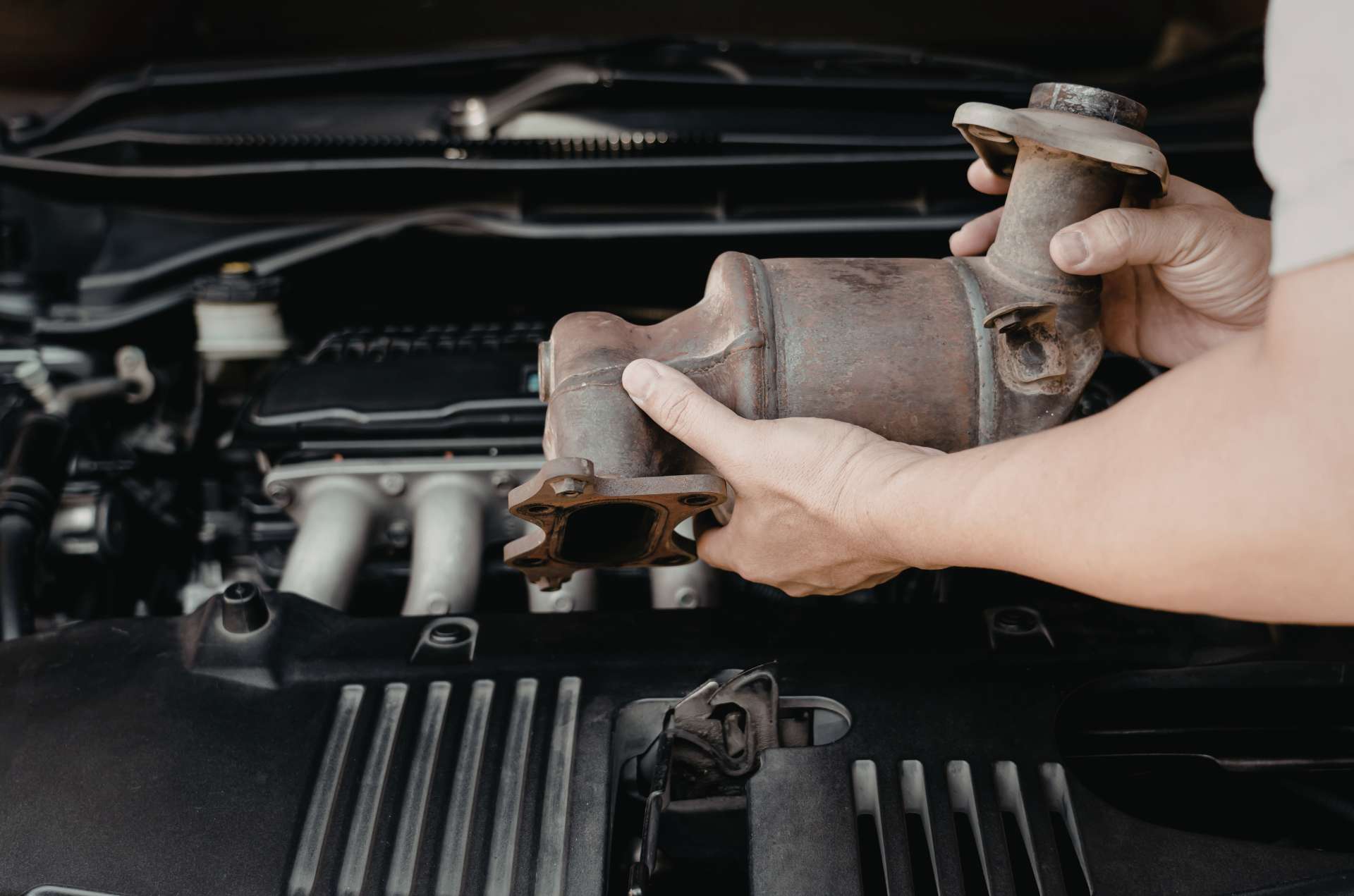
Exhaust systems must move gases away from the engine efficiently. When they cannot, power drops sharply under load.
Common exhaust related causes include:
These issues often allow normal idle and light driving but severely limit performance when the engine works harder.
Transmission behaviour can mimic engine power loss
Not all power loss comes from the engine itself. Gearboxes, especially automatics, can reduce performance if they are overheating, slipping or protecting internal components.
Signs the transmission may be involved include:

high engine revs with little acceleration

delayed gear changes

hesitation when accelerating

power loss only at certain speeds

warning lights appearing after longer drives
These faults feel like engine weakness but originate further down the driveline.
Warning lights are not always immediate
Many drivers expect a warning light to appear as soon as something goes wrong. In reality, some faults only trigger alerts after repeated events or once thresholds are exceeded.
This means power loss can be present before any dashboard warning appears. By the time a light does come on, the problem may already be more advanced.
Why ignoring power loss makes repairs more expensive
Power loss is rarely a single isolated fault. One stressed component often affects others.
For example:
Addressing the problem early reduces the chance of secondary damage.
When power loss becomes a safety issue
Loss of power under load is not just inconvenient. It can affect safety when merging, overtaking or climbing hills with traffic behind you.
Situations where immediate inspection is recommended include:
power loss during overtaking
hesitation entering traffic
sudden reduction in speed uphill
repeated power drop in hot conditions
any power loss accompanied by overheating
What a proper diagnosis involves
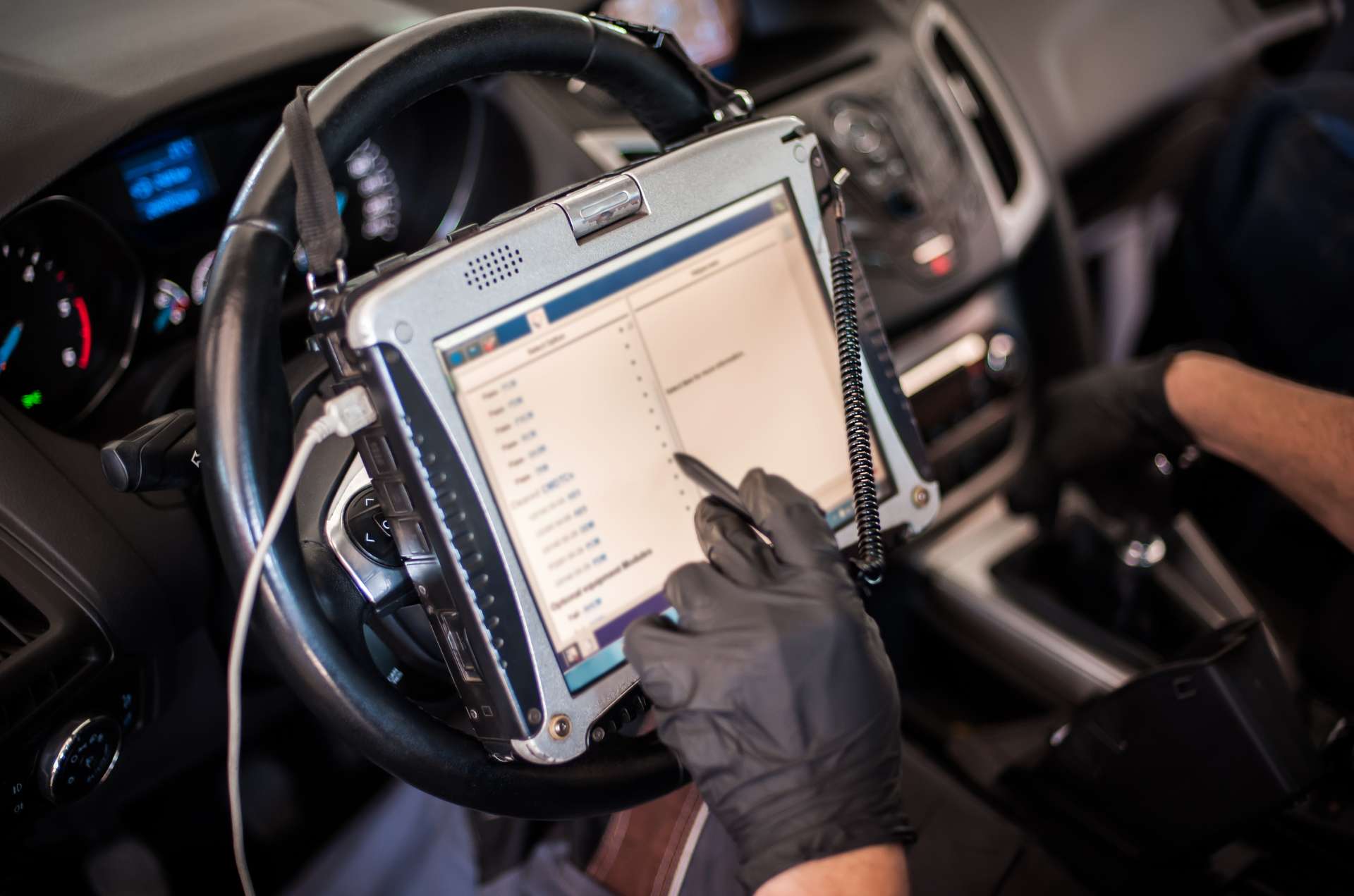
Accurate diagnosis requires more than a quick scan. A proper assessment considers how the vehicle behaves under real driving conditions.
This often includes:
The pattern of when power drops is often the most important clue.
Power loss is the car asking for attention
When a car loses power under load, it is responding to stress. The engine, transmission or supporting systems are signalling that something is no longer working within safe limits. Understanding that signal and acting early can prevent further damage and restore the confidence that the car will respond when you need it to.
Frequently Asked Questions about Vehicles Losing Power
Around town, the engine works under light load. On the highway or uphill, it needs more air, fuel and cooling. Problems with airflow, fuel delivery, exhaust flow or heat control often only appear when demand increases.
It depends on the cause, but reduced power can become a safety issue when merging, overtaking or climbing hills. If the problem is getting worse or happening more often, the car should be inspected as soon as possible.
Yes. Heat increases stress on the engine, cooling system and transmission. Faults that are mild in cooler weather often become obvious during hot days or long drives.
No. Some faults only trigger warning lights after repeated events or when certain limits are exceeded. Power loss can occur well before a dashboard light appears.
Yes. A partially blocked catalytic converter can restrict exhaust flow. This often allows normal driving at low speeds but causes significant power loss when accelerating or climbing hills.
Yes. Slipping, overheating or protective behaviour in automatic transmissions can feel like the engine is weak, especially if revs rise without matching acceleration.
In many cases, yes. Ongoing power loss can increase heat, strain other components and lead to more expensive repairs if left unaddressed.
Describe when the power loss happens. For example, uphill driving, towing, hot weather, freeway speeds or overtaking. These details help narrow down the cause quickly.
Regular servicing helps, but some issues develop between services. Early inspection when symptoms appear is the best way to prevent secondary damage. Tell your ZPro Automotive mechanic when you bring your car in for service and ask for it to be checked.