
Time the inspection to the sale, not to the advertisement. A Victorian roadworthy certificate is current for only 30 days from the day it is issued. Book it when the sale is close, and use a tester whose licence covers electric and hybrid cars.
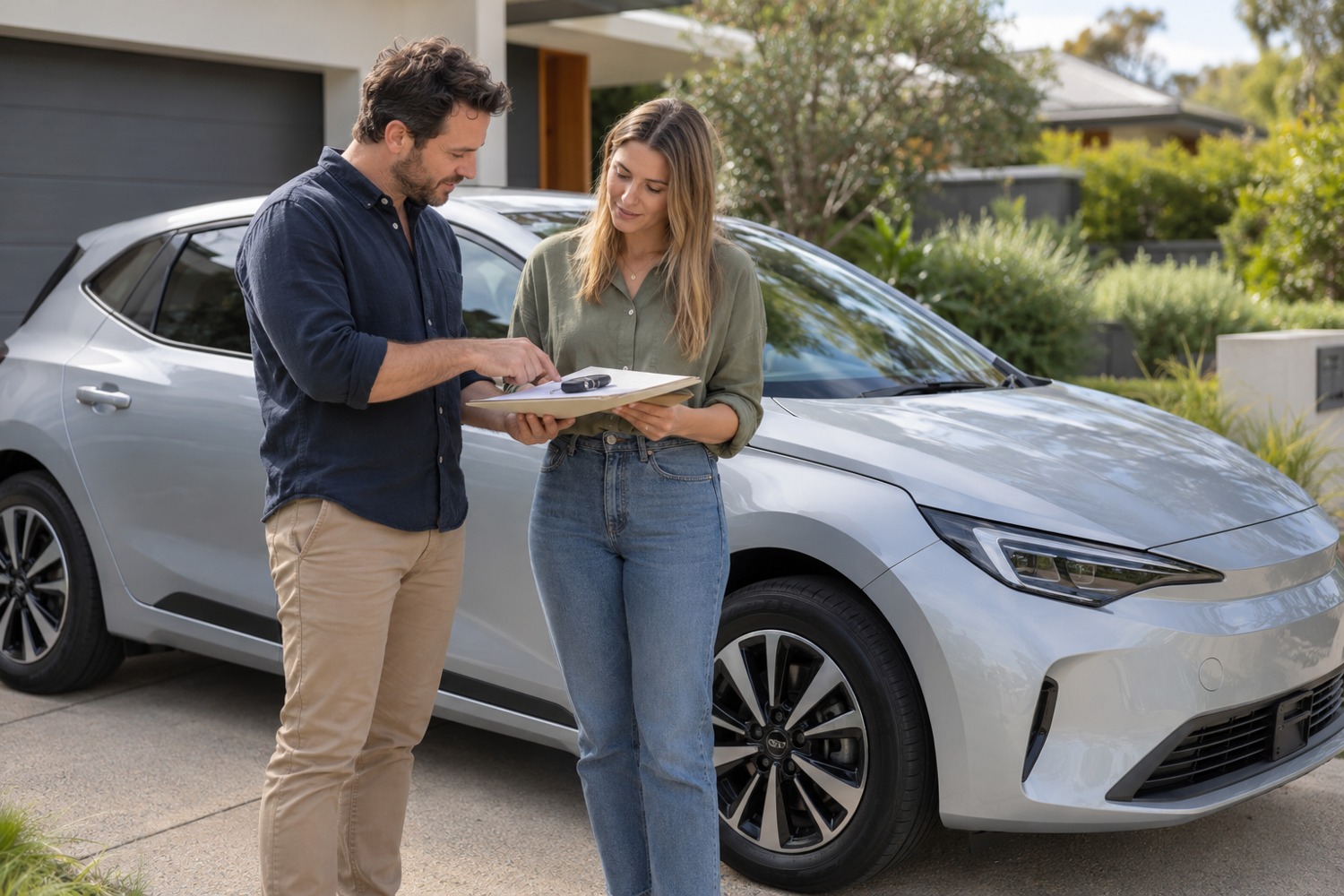
Selling a registered car privately in Victoria means giving the buyer a current roadworthy certificate, unless an exemption applies. An electric or hybrid car sits under the same rule as a petrol one, and Consumer Affairs Victoria states that duty for private sales. The exemptions, the unregistered option and the transfer paperwork all belong to our guide to selling a car in Victoria.

Not every roadworthy tester can issue a certificate for an electric or hybrid car. Transport Victoria’s licence conditions make the EV class an added one. It sits on top of the ordinary class for the vehicle, such as light vehicles, rather than standing alone. So there is one question to put to a workshop: does its licence include the EV class for your type of car? Finding an authorised tester is one step. Getting the certificate is another, because it is only issued after the car has been examined and has passed.
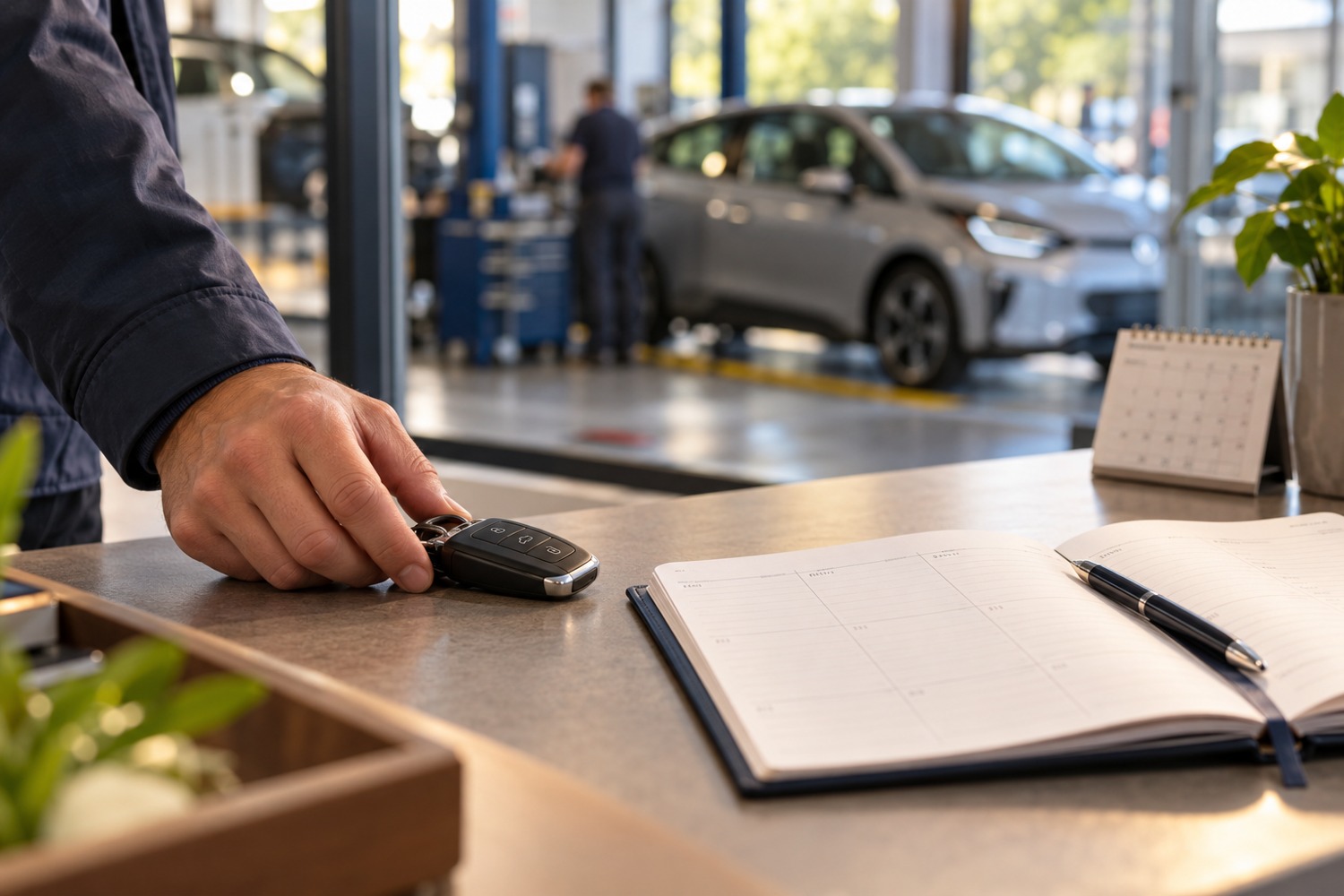
The 30 days run from issue, not from the sale. The Road Safety (Vehicles) Regulations 2021 define a current certificate as one issued not more than 30 days previously. The same regulations require the tester to issue it on the day the car is examined and passed. So the clock starts on inspection day, whatever happens after that.
Two situations are worth separating.
Leave time for the examination, and for anything it picks up. Items rejected at the first examination have to be put right and checked again. That work sits between you and the certificate, and nobody can say how long it takes until the car has been looked at.
Getting the roadworthy before you advertise is a choice rather than a rule. Some sellers want the certificate in hand so a buyer can see the car has passed. Nothing in the regulations or in Consumer Affairs Victoria’s selling guidance asks you to book before the advertisement goes up.
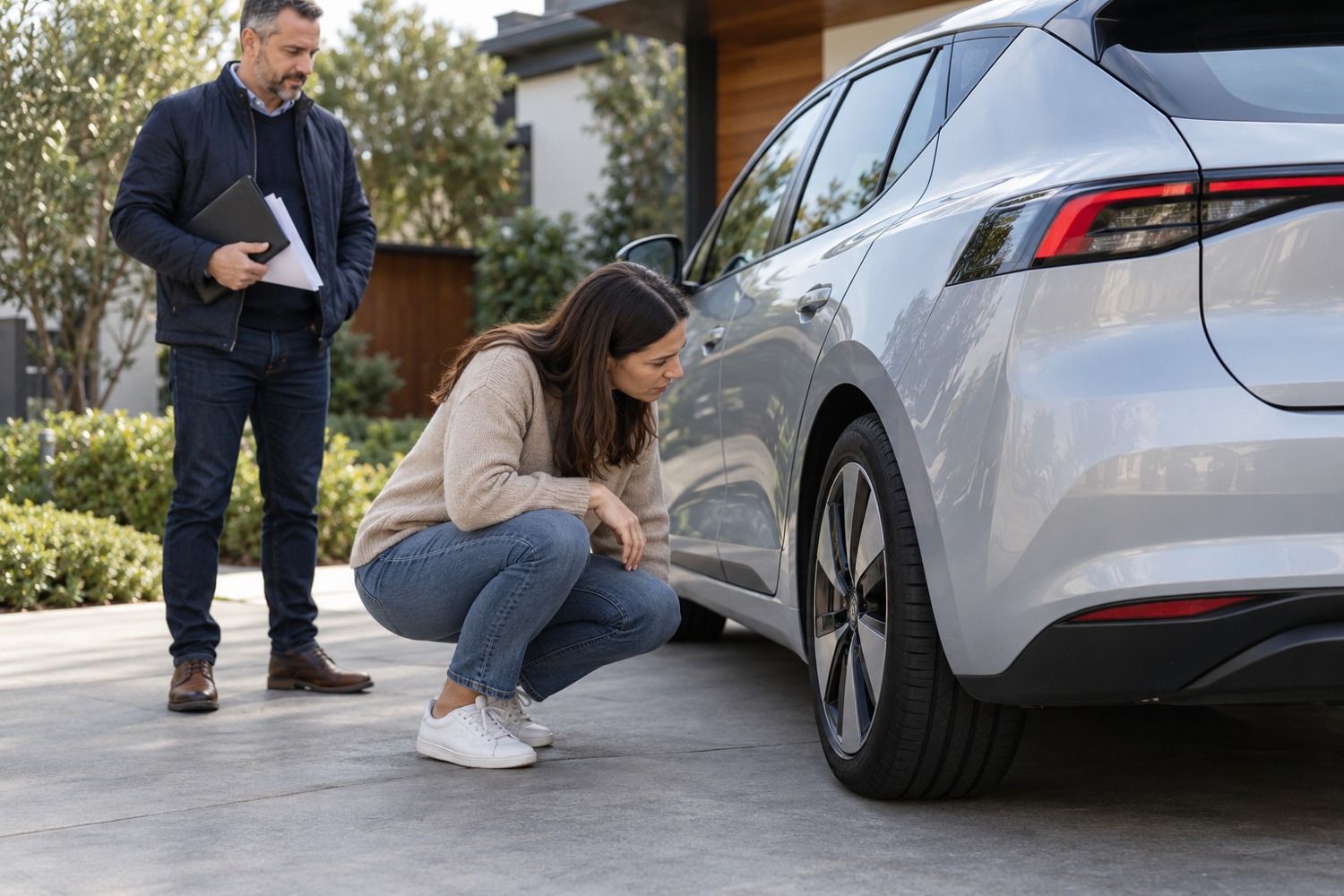
A certificate records one thing. The car was examined on that day and found roadworthy. The regulations stop a tester issuing one unless the car was examined that day, and unless the tester is satisfied it is roadworthy.
It is not a report on the car’s mechanical condition. It says nothing about how much capacity is left in the battery. Transport Victoria’s licence conditions limit the EV class to the visual examination and testing of cars with high voltage parts. Removing, repairing, replacing or modifying those parts sits outside the class. A pass is not evidence that anything in the high voltage system has been worked on.
Service records are separate. A buyer who asks for the logbook is asking a fair question. Service history plays no part in issuing the certificate, and neither document stands in for the other.
Selling an electric or hybrid car around Rowville? Our EV and hybrid roadworthy inspections are the booking to make when the sale is close.
Yes. It must be inside its 30 days when the car and the paperwork pass to the buyer. A certificate left over from an earlier attempt to sell will not carry a later sale.
No rule says so. Going early suits a seller who wants to show buyers a pass up front. Holding off suits one who cannot guess how long the car will take to sell.
No. What settles it is whether the car carries high voltage parts, not the badge. Give the workshop the make, model and year, and let it confirm which inspection yours needs.
No. The inspection does not measure what the battery has left. A buyer who wants that answer needs a separate check arranged for the purpose.

