
You’re slowing down for the roundabout on Stud Road and you hear it. A squeal. A grind. Something metallic that wasn’t there last week. Your first thought: how serious is this?
Brake noises are one of the most common reasons people book an inspection, and for good reason. Your brakes are the one system in your car that has to work every single time. The good news is that different brake noises point to different problems, and not all of them are urgent.
Here’s what each sound means, what’s causing it, and what you should do about it.
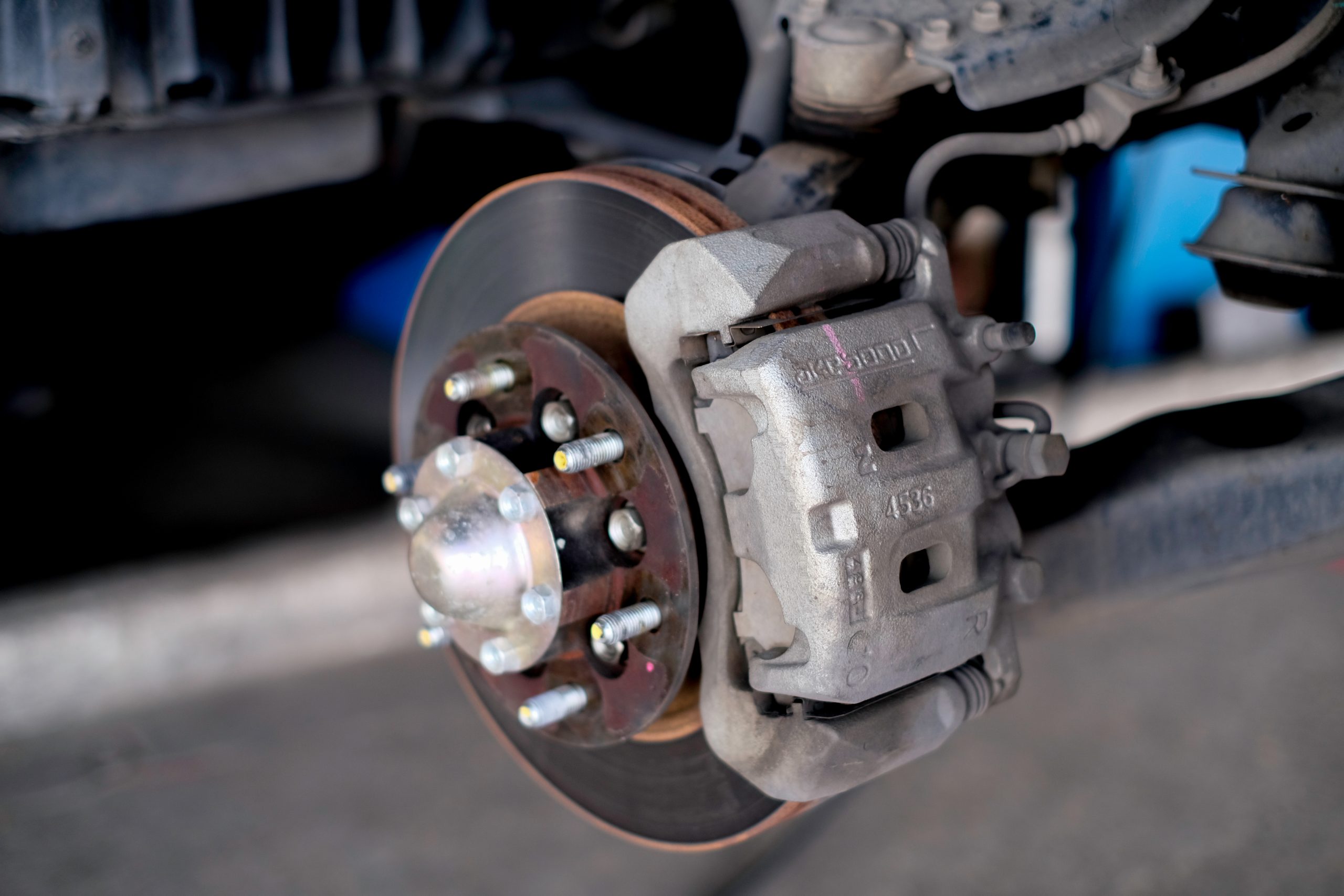
This is the most common brake noise and usually the least serious. A sharp, high-pitched squeal each time you press the brake pedal typically comes from one of four things:
How urgent is it? Low to moderate. If it’s the wear indicator, you’ve still got some life left in the pads, but don’t put it off for months. If the squeal is only happening in wet weather or first thing in the morning, it’s normal.
This is the one you don’t want to ignore. A harsh grinding noise when you brake usually means the friction material on the pad has worn away completely. What’s left is the metal backing plate pressing directly against the metal rotor.
Every time you brake with metal on metal, you’re damaging the rotor surface. Rotors that could have been reused now need machining or replacing. What might have been a $150–$350 pad replacement can quickly become a $400–$800 job once the rotors are scored.
Less commonly, a grinding sound can come from a small stone or piece of road debris caught between the pad and rotor. This happens occasionally and usually sounds like a single sharp grind rather than constant metal-on-metal.
How urgent is it? High. If you’re hearing grinding every time you brake, book an inspection straight away. The longer you drive on it, the more expensive the repair becomes. If you’re unsure whether it’s a stone or worn pads, a quick inspection will tell you.
If you can hear a scraping or dragging noise even when you’re not touching the brake pedal, the source is usually one of three things:
How urgent is it? It depends on the cause. A bent dust shield is annoying but not dangerous – a mechanic can bend it back in a few minutes. A seized calliper is urgent. It creates excessive heat, wears the pad and rotor unevenly, and reduces your braking control. A wheel bearing that’s making noise should be inspected soon, as they can fail gradually and affect steering stability.
If you feel a rhythmic thump through the brake pedal or hear a pulsing sound each time you slow down, the problem is almost always with the rotors.
Over time, brake rotors can develop uneven thickness across their surface. The industry calls this disc thickness variation (DTV). When the rotor isn’t perfectly flat, the pad can’t make even contact as it spins. You feel this as a pulse through the pedal, and sometimes through the steering wheel as well.
The most common causes are:
How urgent is it? Moderate. The car is still stopping, but braking performance is reduced and the problem gets worse the longer you leave it. If you’re feeling a strong pulse through the pedal, book in for an inspection. The rotors may need machining to restore a flat surface, or replacing if they’ve worn too thin.
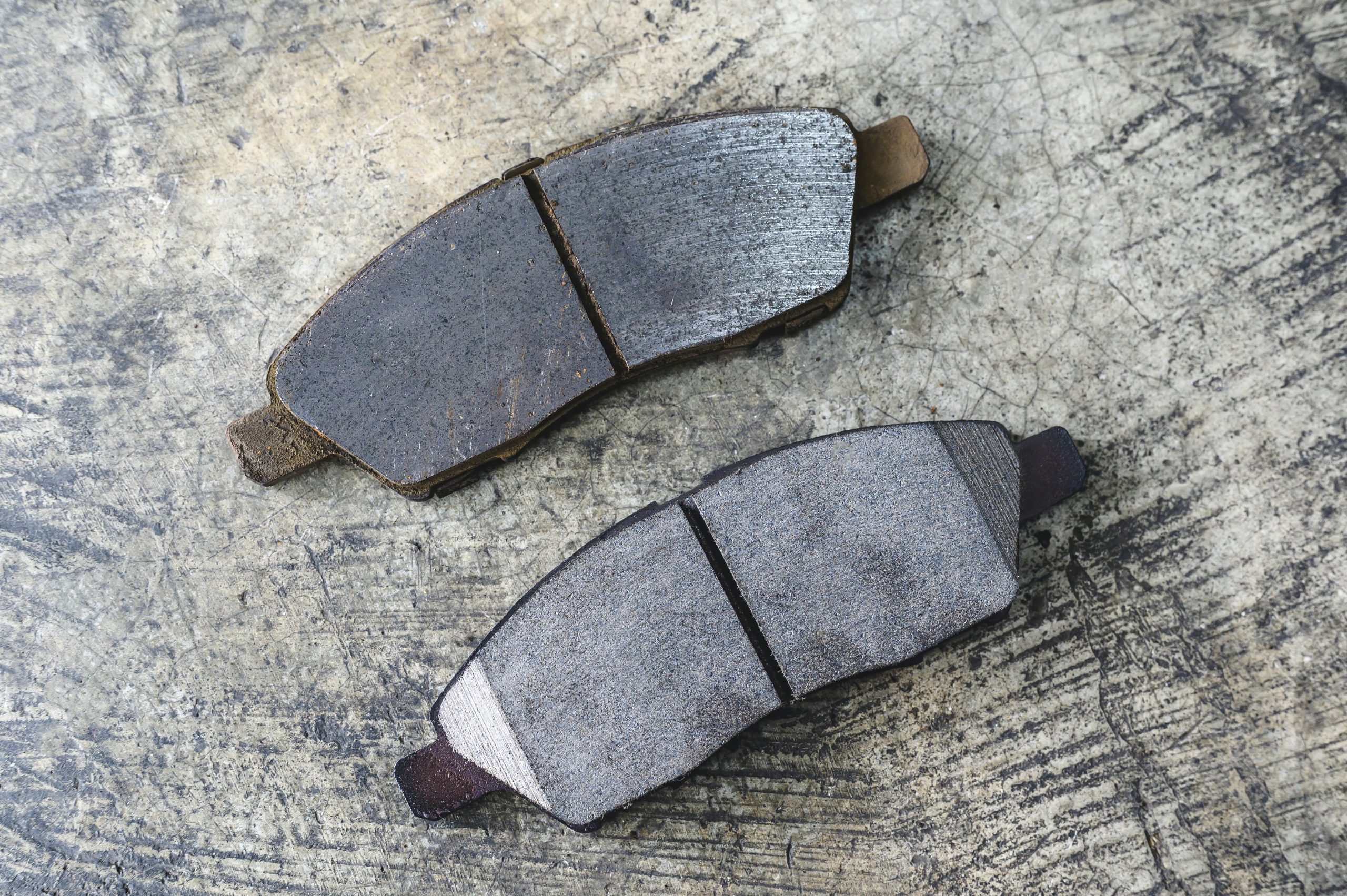
Brake noises almost always get worse over time, not better. A squeal that you ignore eventually becomes a grind. A grind that you ignore damages the rotors and doubles the repair cost.
If you’re hearing anything from the list above, the smartest move is a brake inspection. It takes about 30 minutes and tells you exactly what’s going on – whether it’s a $20 dust shield adjustment or a full pad and rotor replacement.
For readers who want to understand what brake replacement involves and what it costs, we’ve covered that separately in our guide to when your brake pads and rotors need replacing.
If you’re in the Rowville area and your brakes are making noise, book a brake inspection at ZPro Automotive and we’ll let you know exactly where things stand.
In most cases, a squeal means your pads are wearing low but still have some friction material left. You can usually drive for a short period, but don’t treat it as something you can leave for months. The squeal is a warning. If it turns into a grinding sound, stop driving and book an inspection. Once you hear metal on metal, every kilometre adds to the repair cost.
Yes. New pads sometimes squeal for the first few hundred kilometres while they bed into the rotor surface. This is normal and should settle on its own. If the noise persists past the first week or two of regular driving, have the pads checked. They may be the wrong compound for your vehicle, or they may not have been installed correctly.
Overnight moisture or light surface rust forms on the rotors while your car sits. When you first brake in the morning, the pads scrape this thin layer off, which creates a brief squeak. It’s completely normal. If the noise goes away after a few stops, there’s nothing to fix.
Most workshops charge between $50 and $100 for a standalone brake inspection, though many include it as part of a general service. The inspection covers pad thickness, rotor condition, calliper operation, and brake fluid level. It’s a small cost compared to the damage that happens when a brake problem goes unchecked.
If you’ve had brake work done and the replacement parts fail prematurely or the repair was faulty, you may be covered under the Australian Consumer Law’s consumer guarantees. These guarantees apply regardless of whether you went to a dealer or an independent mechanic. The parts must be fit for purpose and of acceptable quality. If they’re not, you’re entitled to a repair, replacement, or refund depending on the severity of the failure.

