
A lumpy idle at the lights. A beat of hesitation when you put your foot down. Fuel economy dropping without explanation. Two or three cars a week come into our Rowville workshop with that exact cluster, and most of them are due for a tune-up they don’t yet know they need.
The owner usually books in for something else – an unrelated noise, an upcoming logbook service, a roadworthy – and the diagnostic check turns up worn spark plugs, a tired ignition coil, or a fuel system that needs cleaning out.
A modern tune-up isn’t the points-and-carby adjustment of the 80s. On a current petrol car, it’s the maintenance side of the ignition and fuel systems: spark plugs, ignition coils, air filter, fuel system condition, throttle body, and the sensors feeding the engine computer. Done at the right time, it brings the engine back to how it ran when it was new. Left too long, the early symptoms turn into expensive damage.
Here’s what those symptoms usually mean, and what they cost to fix at each stage.
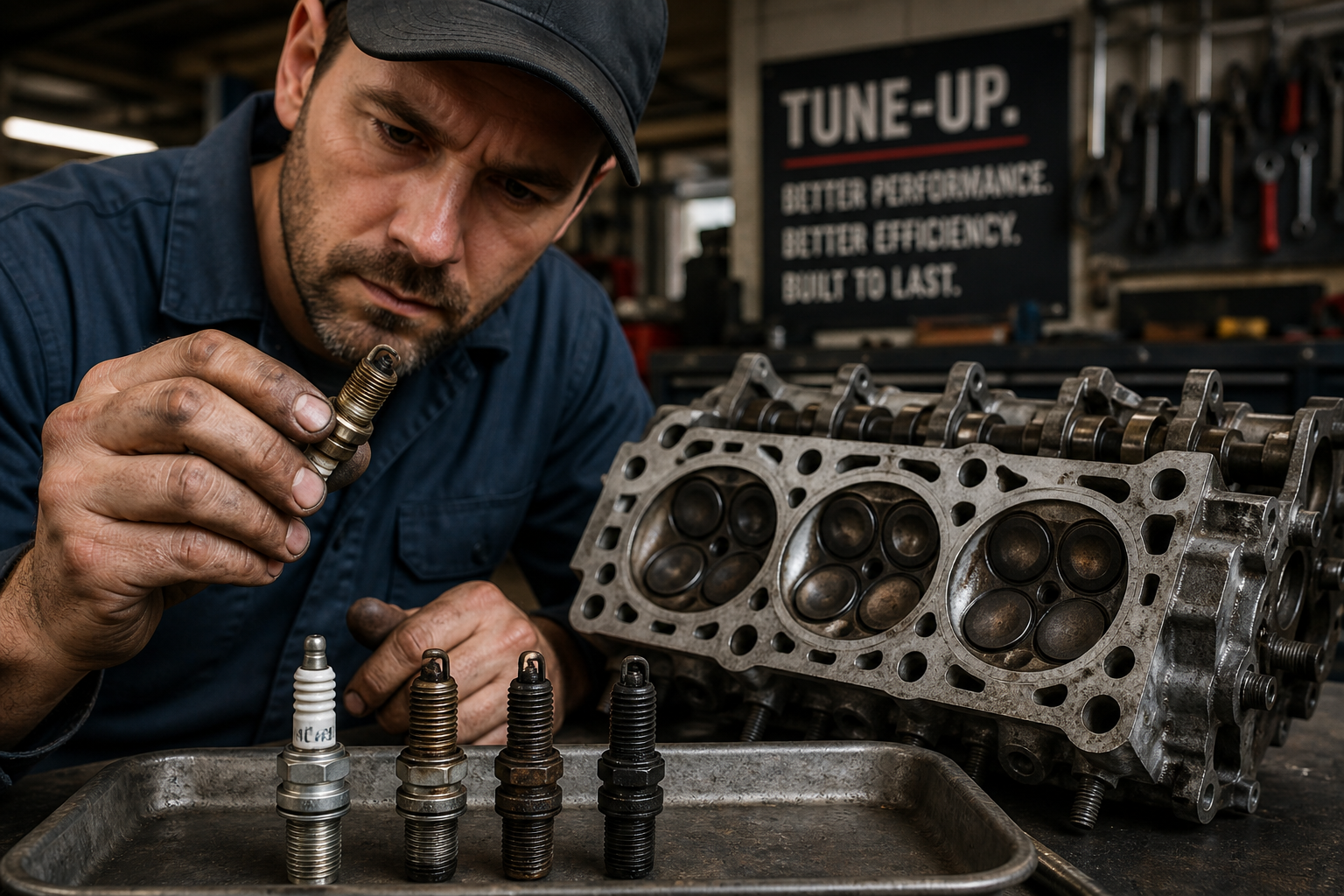
A proper tune-up at our Rowville workshop covers:
We’ll show you what came out of the car. If a plug looks fine and doesn’t need replacing, we’ll tell you and put it back in.
Most modern petrol cars need spark plug replacement somewhere between 80,000 and 120,000 km, with iridium plugs sitting at the longer end of that range. But the kilometres are a guide, not a rule. If your car is showing two or three of the symptoms above at 60,000 km, it needs attention now. If it’s running smooth at 90,000 km, it can wait for the next logbook service.
Two driving patterns in particular are hard on tune-up components. The Monash Freeway commute, with its stop-start crawl, makes the engine cycle through cold-start conditions multiple times a day, and plugs and coils foul faster under that load. The same goes for a typical eastern-suburbs school run – short trips of three or four kilometres where the engine never quite reaches its proper operating temperature. If that’s most of your driving, tune-up symptoms tend to show up earlier than the 100,000 km mark.
A symptom-driven tune-up at our Rowville workshop typically lands in these ranges, depending on what your car needs:
We’ll quote the work before we start it. If we open the bonnet and the job is bigger than expected, you’ll hear from us before any extra work happens.
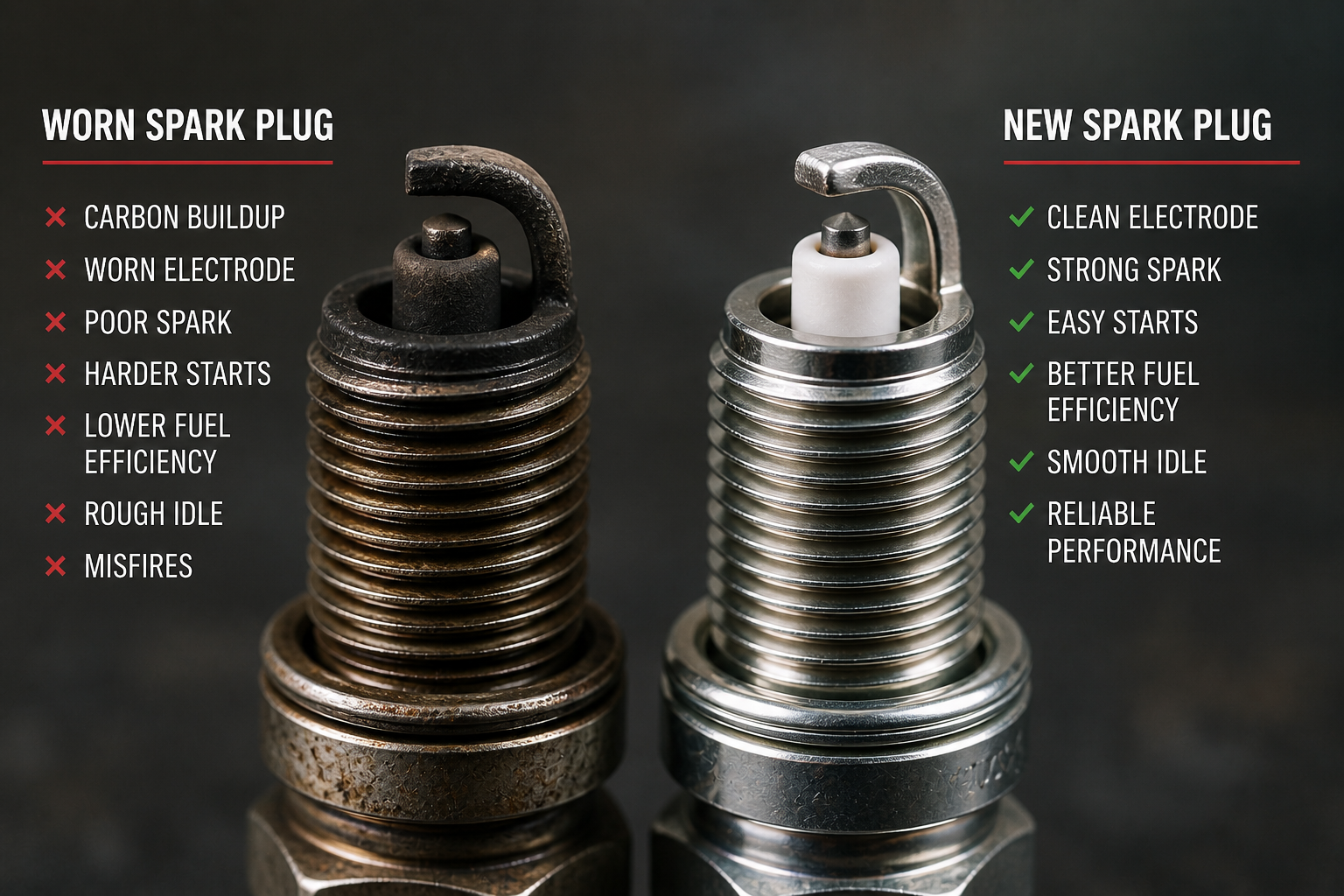
The cars that come in early – when only one or two of these symptoms are showing – usually leave with a $250 to $400 invoice. The cars that come in once the check engine light has been on for months, or the fuel economy is properly off, often need ignition coils, sensor replacement, or a catalytic converter on top of the basic tune-up work. Same job, very different bill.
If two or three of these symptoms sound familiar, book a diagnostic check at our Rowville workshop. We’ll scan the engine, inspect the ignition system, and tell you whether it’s a tune-up, a logbook service, or something else. You’ll know before any work is committed to.
Free pick-up, drop-off, and loan cars across Rowville, Knoxfield, Lysterfield, Scoresby, and Wantirna South. Call 03 9763 4633 or book online to lock in a time.

