
Your car’s been pulling up fine for months. Then one morning you tap the brakes at the roundabout on Stud Road and hear a faint squeal. By the end of the week, it’s louder. Now you’re wondering: do I need new brakes, and what’s this going to cost me?
Here’s the short answer. Replacing brake pads typically costs $150 to $350 per axle. If your rotors need replacing at the same time, expect $300 to $700 per axle depending on the vehicle. Most cars need new pads every 30,000 to 70,000 km, and rotors usually last through two or three sets of pads before they need attention.
The rest of this guide breaks down how to tell when your pads and rotors are worn, what affects the price, and whether you can get away with replacing just the pads.
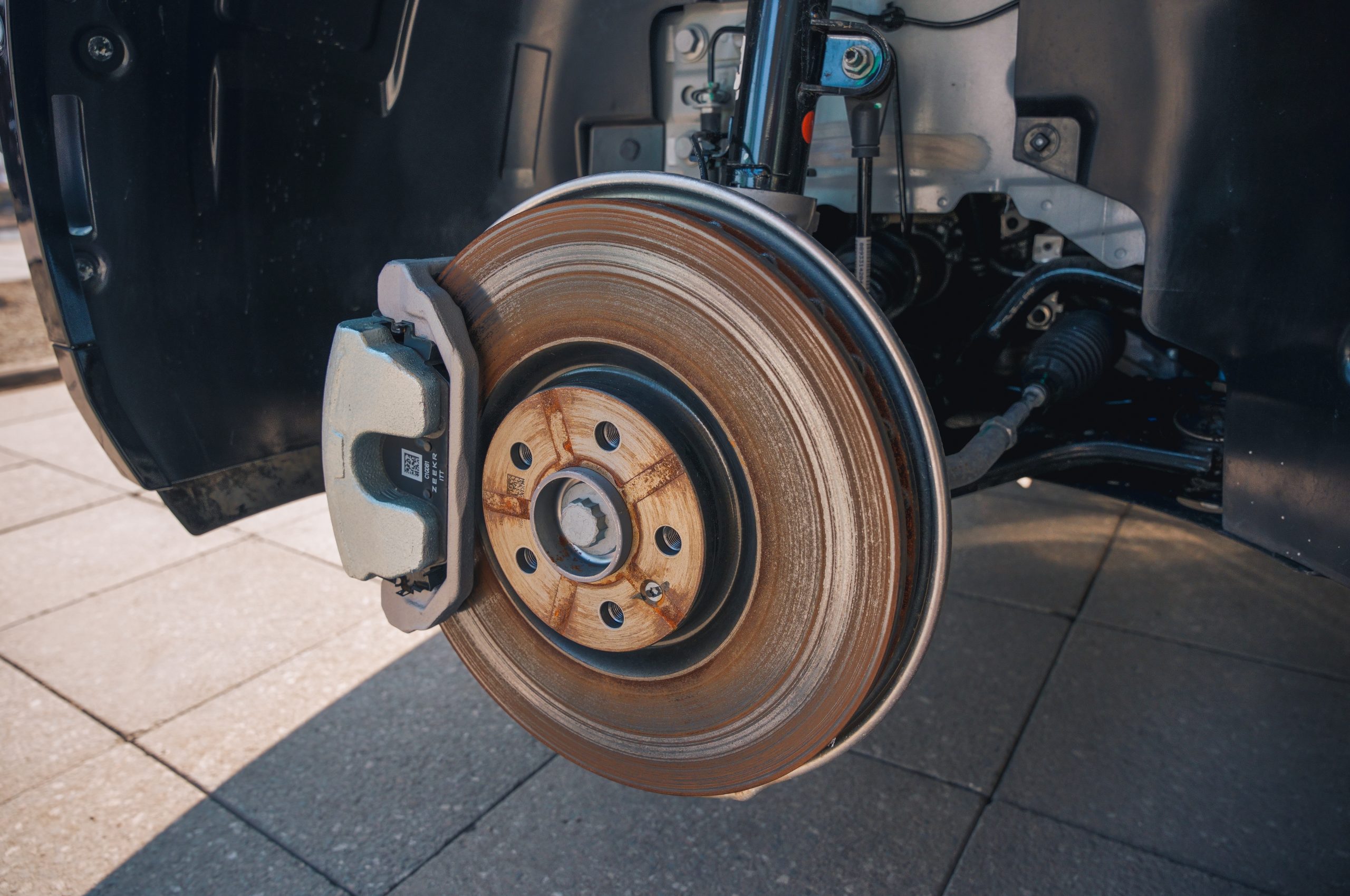
Brake pads are the friction material that presses against your rotors – the metal discs behind your wheels – to slow the car down. They wear a little bit every time you brake. New pads are typically 10 to 12 mm thick. Once they’re down to about 3 mm, they need replacing.
You won’t need to measure them yourself. These are the warning signs to watch for:
How urgent is it? Squealing means you’ve got some time, but book it in soon. Grinding means you’re already damaging other parts and should get it looked at this week. A brake warning light sits somewhere in between – get it checked within a few days.
Rotors wear down too, just more slowly than pads. Over time, the surface can become uneven, scored, or too thin to work safely. Here’s what to look for:
Rotors don’t always need replacing when you change the pads. Sometimes they can be machined instead, which we’ll cover below.
Brake replacement costs vary quite a bit. Here’s what makes the difference:
Here’s a rough guide to what you can expect to pay:
| Job | Typical cost range |
|---|---|
| Brake pads only (per axle) | $150 – $350 |
| Brake pads + rotors (per axle) | $300 – $700 |
| All four wheels, pads + rotors | $1,200 – $2,400 |
| Rotor machining (per pair) | $50 – $100 |
These are general market ranges for standard passenger vehicles in Australia. Costs for European, performance, or heavy vehicles can sit above these ranges. Your mechanic should give you a clear quote before starting any work.
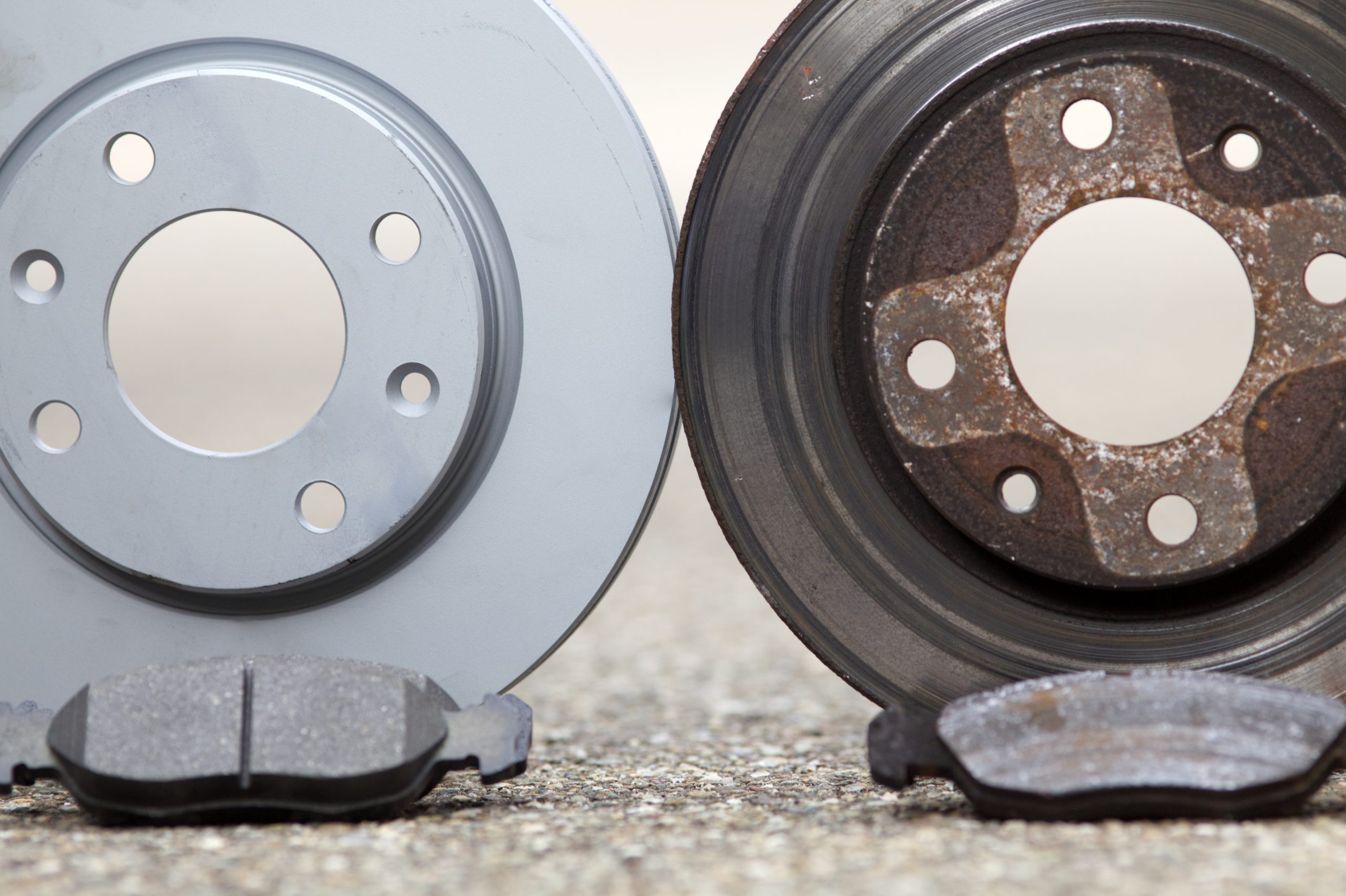
There’s no single answer because it depends heavily on how and where you drive.
Brake pads typically last between 30,000 and 70,000 km. On the shorter end, you’ll find drivers who do a lot of stop-start suburban driving – school drop-offs, shopping centre car parks, crawling along Stud Road or Wellington Road during peak hour. That constant braking wears pads faster than highway cruising does.
Brake rotors generally last through two to three sets of pads before they need replacing or machining. For most drivers, that works out to somewhere between 60,000 and 150,000 km.
Things that shorten brake life:
Yes, and it’s common. If your rotors are still within the manufacturer’s minimum thickness spec and the surface is in reasonable condition – no deep scoring, no warping, no cracks – new pads on existing rotors is perfectly fine.
But there are situations where you shouldn’t:
When the rotor surface is rough but there’s still enough thickness, machining is often the middle ground. The rotor gets resurfaced on a lathe to restore a smooth, flat braking surface. It costs less than a new rotor and works well when there’s enough material left. Your mechanic will measure the rotor and tell you whether machining is an option or whether it needs replacing outright.
The one thing to avoid is putting new pads on badly worn rotors to save money. The pads won’t bed in properly, they’ll wear out faster, and your braking won’t be as strong. You end up paying twice.
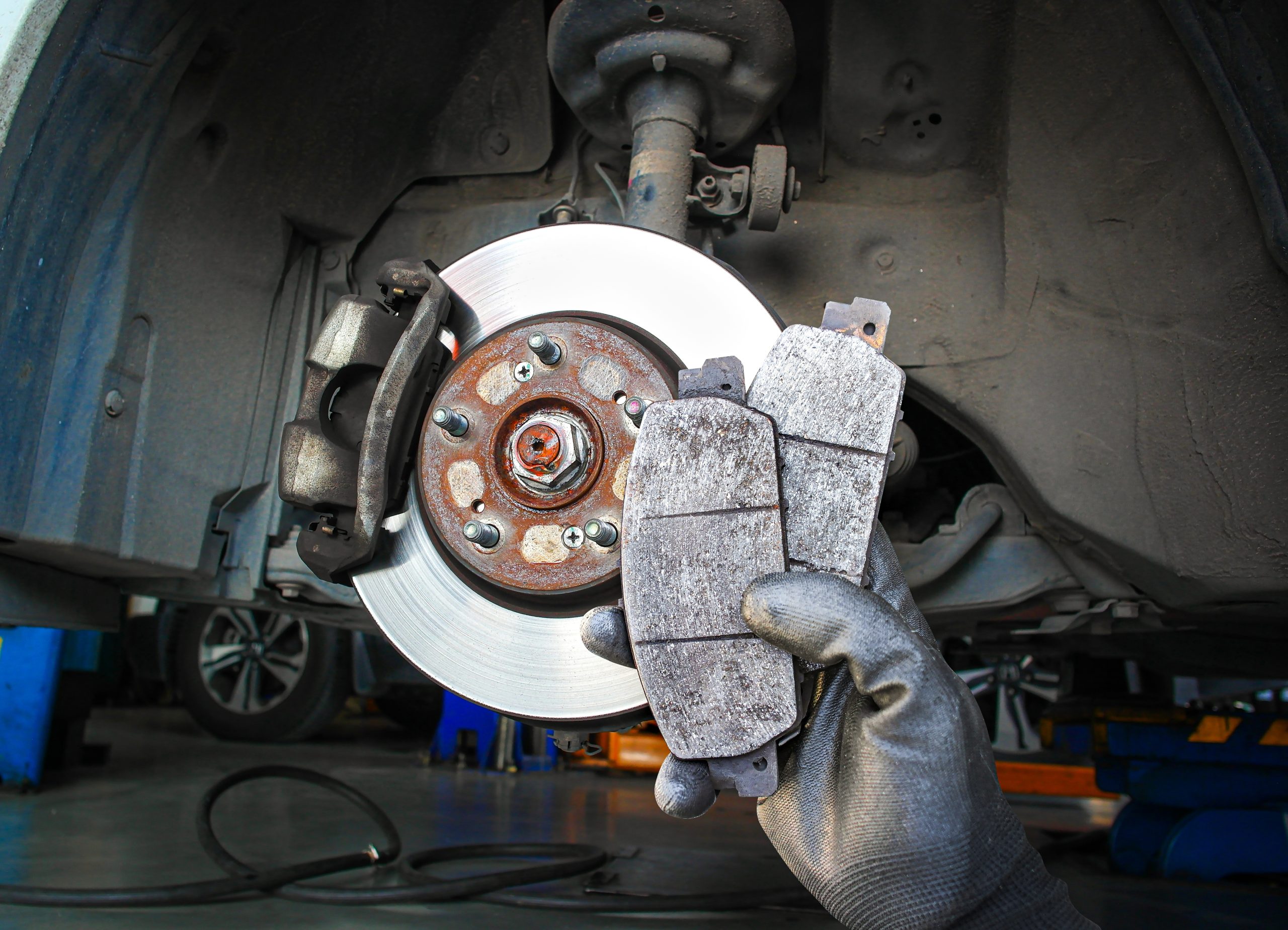
The most common sign is a squealing or squeaking noise when you brake. This comes from the wear indicator – a small metal tab that contacts the rotor when the pad is thin. Other signs include longer stopping distances, a soft brake pedal, or a brake warning light on the dashboard. If you’re unsure, a brake inspection takes about 15 minutes and your mechanic can measure the remaining pad thickness directly.
For standard passenger vehicles, expect $150 to $350 per axle for pads only. If rotors need replacing too, the cost rises to $300 to $700 per axle. European and performance vehicles typically sit at the higher end. Always get a quote before any work starts.
Technically the car will still move, but your stopping distances will be longer and you risk damaging the rotors. Once pads are completely worn through, you’re grinding metal on metal, which can score the rotors badly enough that they need replacing rather than just machining. The longer you leave it, the more expensive the repair gets.
Front brakes handle about 70% of the braking force, so front pads almost always wear out before rears. It’s normal to replace front pads more often. Some drivers go through two sets of front pads for every one set of rears.
Not always. A light squeak in wet or cold conditions can be normal – moisture on the rotor surface causes temporary noise that goes away after a few stops. Dust or debris between the pad and rotor can also cause brief noise. But persistent squealing, grinding, or any metallic scraping sound should be inspected. It’s better to check and find nothing wrong than to ignore it and find out too late.
If you’re hearing noise when you brake, feeling vibration through the pedal, or it’s been more than 12 months since your brakes were last inspected, book a brake inspection. Catching worn pads early saves you money – you replace the pads before they damage the rotors, and you avoid the bigger repair bill.

